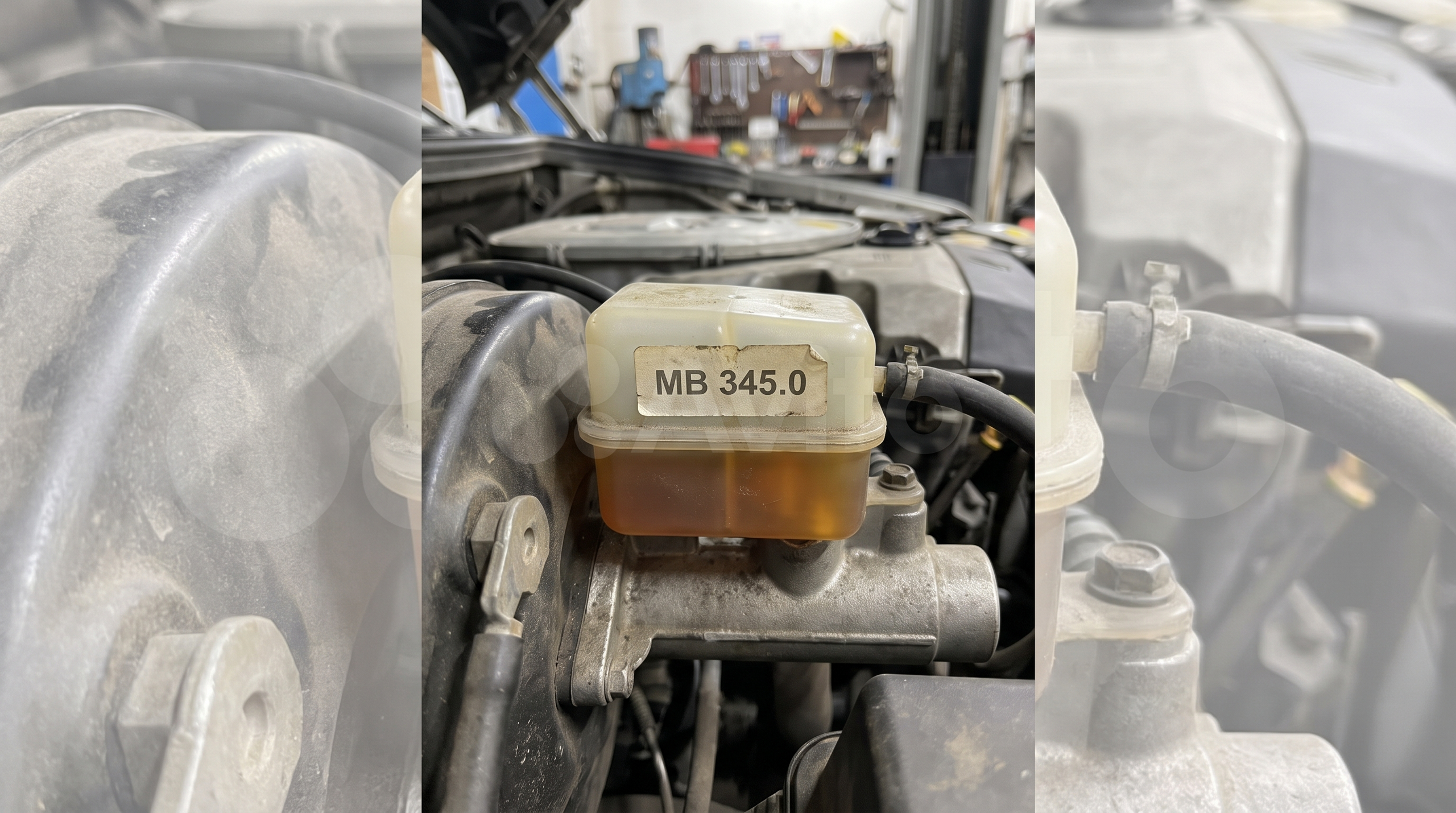
Mercedes-Benz Power Steering Fluid: MB 345.0 Requirement
Learn about Mercedes-Benz power steering fluid MB 345.0 specification, why it matters for your vehicle, and essential maintenance tips.
Introduction
Mercedes-Benz power steering fluid is crucial for maintaining your vehicle's steering system. The MB 345.0 specification defines a synthetic fluid formulated for modern steering racks and pumps, ensuring proper hydraulic performance and component protection. Over my years at the parts counter, I've seen many customers who are unaware of the specific fluid requirements for their vehicles. This is not just a matter of preference; using the wrong fluid can lead to significant issues down the line, such as steering system damage or failure.
Mercedes-Benz power steering systems rely on hydraulic fluid that meets precise chemical and performance standards. The MB 345.0 specification defines a synthetic fluid formulated for modern steering racks and pumps. This differs from older mineral-based fluids like MB 236.3, which were standard in earlier vehicle generations. The shift to synthetic formulations reflects tighter tolerances in contemporary steering components and the need for better thermal stability.
Some Mercedes platforms specify different fluids entirely. For example, the W639 chassis requires MB 236.14, a red mineral-based fluid, for all hydraulic systems. Using MB 345.0 in a system designed for MB 236.14 can cause immediate problems. This is why cross-checking distributor catalogs against manufacturer specifications is crucial—even a small oversight can lead to costly repairs.
Understanding which specification your vehicle requires is the first step in proper maintenance. Just as Pentosin CHF 11S serves specific European makes with particular steering system designs, Mercedes-Benz power steering fluid formulations are engineered for their own unique hydraulic requirements. The MB 345.0 specification is not just a suggestion but a requirement that ensures the fluid's compatibility with the vehicle's power steering system.
Just as Mercedes-Benz engine oil approvals define precise lubrication standards for powertrains, power steering specifications protect hydraulic components from premature wear and failure.
What Happens When You Use the Wrong Mercedes-Benz Power Steering Fluid?
Using the wrong Mercedes-Benz power steering fluid isn't a minor oversight—it's a direct path to expensive failures. The MB 345.0 specification exists because Mercedes-Benz power steering systems are engineered around specific fluid chemistry. When owners substitute generic fluids or mix incompatible specifications, the consequences show up fast in the hydraulic pump and steering rack.
Why Incorrect Fluid Damages Your System
Power steering fluid does more than transmit hydraulic pressure. It lubricates moving components, protects seals, and manages heat in a high-stress environment. When the fluid chemistry doesn't match what the system expects, three failure modes emerge: seal degradation, pump wear, and complete hydraulic collapse.
The most common mistake is assuming all power steering fluids are interchangeable. Mercedes-Benz specifies MB 345.0 for systems that require synthetic hydraulic fluid with particular additive packages. Using older MB 236.3 fluid—or worse, a universal aftermarket product—introduces chemical incompatibilities that accelerate wear on precision-machined pump components.
The Cost of Mixing Specifications
Blending or interchanging MB 236.3 and MB 345.0 can cause chemical problems and increase wear on the power steering pump and rack. Even partial contamination changes the fluid's viscosity curve and additive balance. The pump begins to cavitate under load, and the rack develops notchy steering feel as internal surfaces score.
Using incorrect fluid can lead to poor performance, seal damage, or catastrophic system failure. A power steering pump replacement runs between $800 and $1,500 in parts and labor. A steering rack adds another $1,200 to $2,000. These aren't gradual wear items—they fail suddenly when the fluid can no longer protect them.
What Happens When You Ignore the Specification
Owners who top off with the wrong fluid often notice symptoms within weeks: whining from the pump reservoir, stiff steering at low speeds, or fluid leaks around the rack boots. By the time these signs appear, internal damage is already underway. The hydraulic seals have begun to degrade, and metal particles from pump wear are circulating through the system.
For more information on fluid specifications for European vehicles, see Pentosin CHF 11S: Specs, Approvals & European Car Guide.
The MB 345.0 requirement isn't arbitrary—it's the result of engineering testing that defines the minimum fluid performance needed to keep your steering system functional across its service life. Ignoring it trades short-term convenience for long-term failure.
How to Choose the Right Mercedes-Benz Power Steering Fluid
Choosing and using the correct Mercedes-Benz power steering fluid requires a methodical approach. Follow these steps to ensure you're meeting the MB 345.0 specification and protecting your steering system.
Verify Your Vehicle's Specification
Start by consulting your owner's manual or the fluid reservoir cap. Mercedes-Benz specifies different fluids for different model years and platforms. Some vehicles require MB 236.3, while others call for MB 345.0. The specification is not interchangeable—using MB 236.3 in a system designed for MB 345.0 can cause seal degradation and pump wear. Check the vehicle identification plate and cross-reference it with the official Mercedes-Benz fluid compatibility database if you're uncertain.
Step 1
Locate the correct specification
Open your owner's manual to the fluids section. The Mercedes-Benz power steering fluid specification will be listed alongside capacity. If the manual is unavailable, check the reservoir cap—many Mercedes vehicles have the spec printed directly on the cap. Write down the exact MB number before purchasing fluid.
Step 2
Source approved fluid only
Purchase fluid that explicitly states MB 345.0 approval on the label. Generic "European vehicle" fluids or those claiming compatibility without listing the MB number are not acceptable. Verify the approval by checking the manufacturer's product data sheet or the batch number against Mercedes-Benz's fluid portal. At the parts counter, I always cross-check distributor catalogs against manufacturer sheets to confirm approval status before handing over a bottle.
Step 3
Drain and refill—never top off with unknown fluid
If you're unsure what fluid is currently in the system, perform a complete flush rather than topping off. Even small amounts of contamination—as little as five percent—degrade the fluid's protective properties. Use a turkey baster or fluid evacuator to remove old fluid from the reservoir, then refill with fresh MB 345.0-approved fluid to the correct level. Run the engine and turn the steering lock-to-lock several times to circulate the new fluid, then recheck the level.
Confirm Compatibility Before Mixing
Never mix different power steering fluids, even if both claim Mercedes approval. MB 236.3 and MB 345.0 have different additive packages and viscosity profiles. Mixing them creates an unstable blend that can foam, lose lubricity, and damage seals. If you must switch specifications, drain the system completely first. This is not a corner you can cut—steering system repairs cost far more than a proper fluid change.
For related fluid specifications and how European manufacturers approach approval systems, see our guide on Pentosin CHF 11S: Specs, Approvals & European Car Guide. Similar to how DOT 4 vs DOT 5.1 brake fluid specifications must be matched to vehicle requirements, power steering fluid compatibility is non-negotiable.
Mercedes-Benz Power Steering Fluid Maintenance Best Practices
Maintaining your Mercedes-Benz power steering system requires attention to detail and consistent practices. The right Mercedes-Benz power steering fluid is only part of the equation—how you handle it matters just as much. These practical tips will help you avoid common mistakes and keep your steering system operating as designed.
Never Mix Fluids
Even small amounts of contamination degrade performance. A 5% mix of the wrong fluid changes the hydraulic properties enough to cause issues. If you're topping off, verify the existing fluid is MB 345.0 compliant before adding more. When in doubt, flush the system completely rather than risk mixing incompatible formulations.
Verify Compliance Before Purchase
Not every bottle labeled for Mercedes actually meets MB 345.0. Check the manufacturer's approval list or the product data sheet for explicit MB 345.0 certification. Generic "European car" fluids rarely carry the specific approvals your vehicle requires. At the parts counter, I routinely cross-check distributor catalogs against manufacturer specifications to confirm compliance—this step catches mismatches before they reach your steering rack.
For related fluid specifications in European vehicles, see our guide to Pentosin CHF 11S: Specs, Approvals & European Car Guide.
Monitor Temperature Performance
MB 345.0 fluids maintain stable viscosity across a wide temperature range, typically from -40°C to +150°C. This range ensures the fluid lubricates effectively whether you're starting in winter cold or operating under sustained high loads. If your steering feels inconsistent between temperature extremes, the fluid may be degraded or incorrect.
Establish a Replacement Schedule
Mercedes-Benz power steering fluid doesn't last forever. Heat cycles, moisture absorption, and mechanical wear introduce contaminants over time. Even if the fluid looks clean, its additives deplete. Replace the fluid every 50,000 to 60,000 miles or per your maintenance schedule, whichever comes first. This interval prevents gradual performance loss that you might not notice until it becomes a problem.
Inspect for Leaks Regularly
Low fluid levels force the pump to work harder and introduce air into the system. Check the reservoir monthly and look for wet spots around hoses, the pump, and the steering rack. Address leaks immediately—running the system low accelerates wear on every component. A small leak today becomes an expensive repair tomorrow.
Use Batch Number Verification
When possible, confirm fluid compliance by looking up the batch number on the Mercedes-Benz Fluid Compatibility Portal or the fluid manufacturer's verification system. This extra step ensures the specific bottle you purchased meets current approval standards, not just the product line in general.
Frequently Asked Questions About Mercedes-Benz Power Steering Fluid
Can I use MB 236.3 instead of MB 345.0?
No. MB 236.3 is a mineral-based fluid, while MB 345.0 is synthetic. They have different additive packages and viscosity profiles. Using MB 236.3 in a system designed for MB 345.0 will damage seals and accelerate pump wear. Always use the specification listed in your owner's manual.
What happens if I mix different Mercedes-Benz power steering fluids?
Mixing MB 236.3 and MB 345.0 creates an unstable blend that can foam, lose lubricity, and damage hydraulic seals. Even partial contamination changes the fluid's protective properties. If you need to switch specifications, drain the system completely first.
How often should I replace Mercedes-Benz power steering fluid?
Replace the fluid every 50,000 to 60,000 miles or according to your maintenance schedule. Heat cycles and contamination degrade the fluid's additives over time, even if it looks clean. Regular replacement prevents gradual performance loss and component damage.
How do I verify a fluid meets MB 345.0 approval?
Check the product label for explicit MB 345.0 certification. Verify approval by reviewing the manufacturer's product data sheet or looking up the batch number on the Mercedes-Benz Fluid Compatibility Portal. Generic "European car" fluids without specific MB approval are not acceptable.
What are the symptoms of using the wrong power steering fluid?
Common symptoms include whining from the pump reservoir, stiff steering at low speeds, fluid leaks around the rack boots, and inconsistent steering feel. By the time these signs appear, internal damage has already begun. Address fluid issues immediately to prevent costly repairs.
Conclusion
The MB 345.0 specification exists for a reason: it defines the exact performance envelope your Mercedes-Benz power steering system was engineered around. Using a fluid that meets this approval protects seals, maintains hydraulic pressure consistency, and prevents the kind of component degradation that accounts for the majority of steering failures. The cost of the correct Mercedes-Benz power steering fluid is negligible compared to the repair bill for a contaminated rack or failed pump.
Over my years at the parts counter, I've cross-referenced countless distributor catalogs against manufacturer data sheets, and the pattern is consistent: vehicles serviced with approved fluids have fewer steering complaints. The MB 345.0 requirement is not a suggestion—it's the minimum standard for compatibility with your vehicle's hydraulic components. Always verify that the product you're using appears on the manufacturer's approval list before you pour it into the reservoir.
Using incorrect fluid can lead to poor performance, seal damage, or catastrophic system failure. If you're uncertain about which product meets the MB 345.0 standard, consult your vehicle's service manual or ask a parts specialist who can pull the approval data directly from the supplier catalog. For related fluid specifications across European makes, see our guide on Pentosin CHF 11S: Specs, Approvals & European Car Guide. The few minutes spent confirming the right fluid now will save you from expensive repairs later.
Written by
Lee Shahin
Founder, European Wholesale Parts
Lee Shahin founded European Wholesale Parts in Pleasanton, California, after 18 years in the Mercedes-Benz and BMW parts trade. He came to the parts side from the shop floor: he opened a European repair shop in Northern California in the early 1990s, specialising in Mercedes-Benz and BMW, and grew it with his wife Laurie into a parts and delivery operation serving body shops and independent repair facilities across the region. Nearly two decades at the parts counter taught him where the expensive mistakes happen, and most of them are fluids: the wrong coolant in an aluminium block, an oil without the sheet approval the engine was designed for, a transmission topped with the wrong ATF. That is what he writes about here. Every article names the manufacturer specification by its exact designation, explains what the wrong fluid does mechanically, lists products that carry the approval, and gives the capacity and interval for the models and years the specification covers. When a reader needs a part sourced, the quote desk at European Wholesale Parts is where Lee and Laurie still answer the phone.