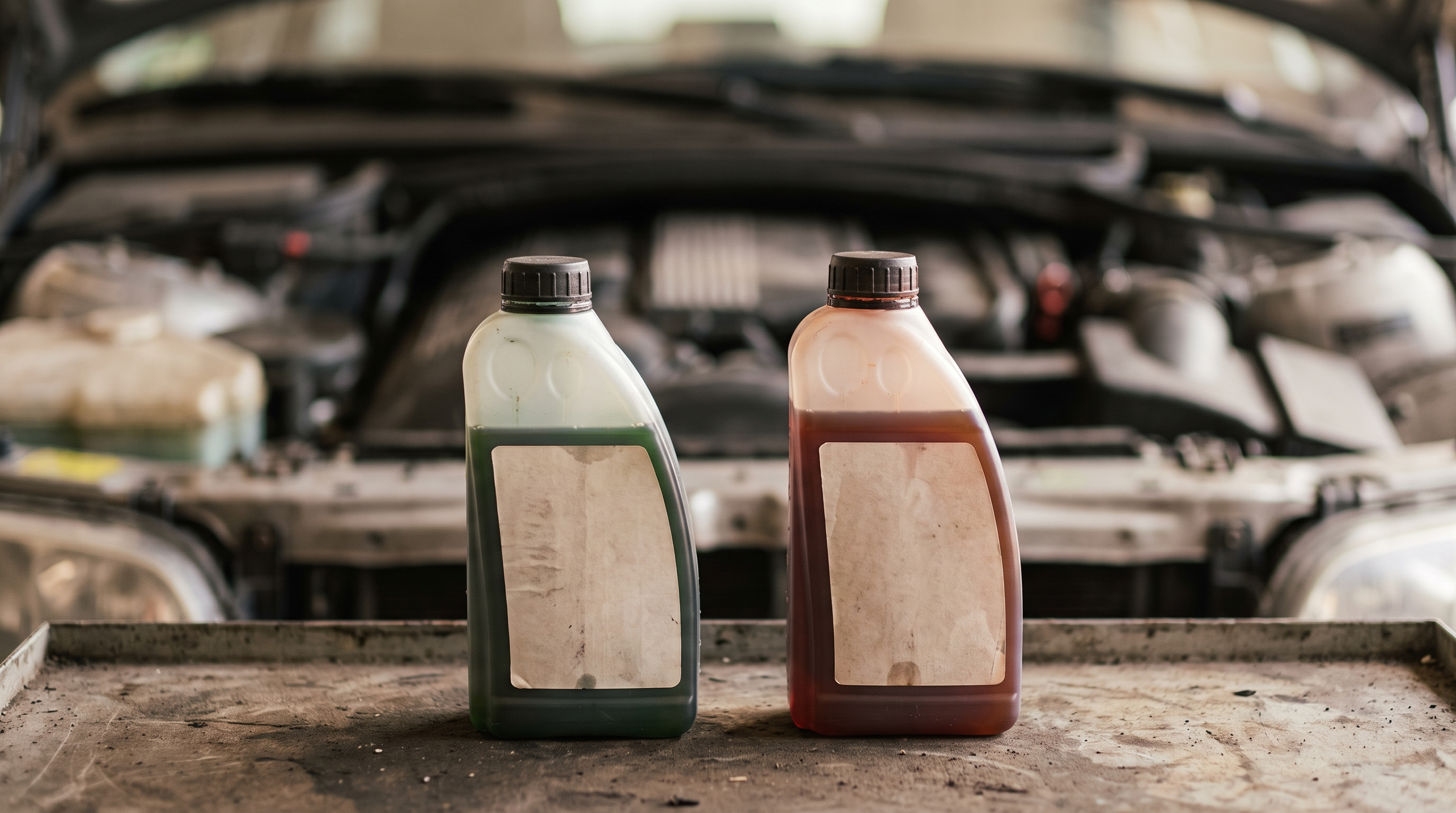
BMW Power Steering Fluid: Pentosin CHF 11S vs ATF by Model
Compare BMW Power Steering Fluid types: Pentosin CHF 11S vs ATF. Learn which fluid your BMW model requires for optimal steering performance.
Introduction
When it comes to BMW Power Steering Fluid, understanding the specific requirements for each model is crucial. Over the years, I've encountered numerous situations at the parts counter where customers were unsure about which fluid to use. The power steering system—comprising the pump, hoses, rack, and reservoir—relies on the correct fluid to function properly, and using the wrong type can lead to misdiagnosis and premature failures.
Many BMW models require Pentosin CHF 11S, a synthetic hydraulic fluid that meets BMW's LL-04 certification and maintains stable viscosity between -40°C and +135°C. However, some models still use ATF (Automatic Transmission Fluid), and mixing these fluids or substituting one for the other can cause significant problems. The distinction matters because each fluid has different chemical properties, viscosity characteristics, and additive packages designed for specific system requirements.
This guide breaks down the differences between Pentosin CHF 11S and ATF for BMW power steering systems, helping you identify which fluid your specific model requires. We'll explore the technical specifications, model-specific requirements, and maintenance best practices to keep your steering system operating smoothly. I often find myself cross-checking distributor catalogs against manufacturer specifications to ensure the right fitment—the catalog might list a fluid as compatible, but it's always wise to verify with the factory parts list.
Understanding the Importance of Power Steering Fluid
Power steering fluid serves as the hydraulic medium that enables smooth, effortless steering in your BMW. When the correct fluid circulates through the system, it maintains proper pressure, lubricates internal components, and protects seals from premature wear. However, using the wrong fluid—or mixing incompatible types—can trigger a cascade of problems that compromise both performance and reliability.
The Risks of Fluid Incompatibility
BMW vehicles are engineered with precise tolerances, and their power steering systems demand fluids that meet specific chemical and viscosity requirements. When an incompatible fluid enters the system, the consequences can be immediate or gradual, but they're always costly.
Incorrect fluid selection leads to several distinct failure modes. Seal swelling occurs when the fluid's chemical composition attacks rubber and synthetic seals, causing them to expand beyond design specifications. This swelling creates leaks at rack-and-pinion seals, pressure hoses, and reservoir connections. Once seals fail, fluid loss accelerates, and air enters the system, producing the characteristic whining noise that signals trouble.
Pump failure represents the most severe outcome of using budget or incorrect fluids. The hydraulic pump operates under high pressure and temperature, relying on the fluid's lubricating properties to prevent metal-on-metal contact. When inferior fluid breaks down under heat, it loses viscosity and protective additives. Internal pump components then experience accelerated wear, leading to reduced pressure, increased noise, and eventual catastrophic failure.
The Hidden Cost of Budget Fluids
Many vehicle owners are tempted by lower-priced alternatives at the parts counter, but the savings are illusory. Budget power steering fluids often lack the additive packages and thermal stability that BMW systems require. The fluid may appear identical on the shelf, but its performance under operating conditions tells a different story.
Research has shown that pump failures linked to budget fluids are more common than many realize. In a 2022 survey, 42% of pump failures were connected to the use of substandard power steering fluids. These failures don't just mean replacing the pump—they often require flushing the entire system, replacing contaminated hoses, and addressing secondary damage to the steering rack.
The cheapest fluid at the parts counter often becomes the most expensive choice when you factor in the repair bill.
The thermal demands of modern power steering systems further complicate fluid selection. BMW steering systems generate significant heat during aggressive driving or parking maneuvers. Fluids that can't maintain viscosity at elevated temperatures lose their ability to protect components, leading to accelerated wear and reduced system responsiveness.
Recognizing the Warning Signs
Understanding what can go wrong helps you recognize problems early, before minor issues become major repairs. Steering effort that increases gradually signals declining fluid effectiveness or pump wear. A groaning sound during low-speed turns indicates air in the system or fluid breakdown. Dark, burnt-smelling fluid at the reservoir means thermal degradation has already begun.
These symptoms don't appear randomly—they're direct consequences of fluid-related problems. Addressing them requires more than just topping off the reservoir. The system needs proper diagnosis, complete flushing with the correct fluid, and verification that no permanent damage has occurred. Prevention through correct fluid selection remains far more cost-effective than repair after failure.
Choosing the Right BMW Power Steering Fluid for Your BMW
Selecting the correct power steering fluid for your BMW isn't guesswork—it's about matching your specific model to the manufacturer's specifications. BMW vehicles fall into distinct categories based on their hydraulic system requirements, and using the wrong fluid can compromise steering performance and system longevity. The two primary fluid types you'll encounter are synthetic hydraulic fluids like Pentosin CHF 11S and automatic transmission fluid formulations such as BMW Longlife ATF-DX III.
Understanding BMW's Fluid Categories
Power steering fluid for BMW models falls into four broad categories: ATF-based formulations, dedicated mineral-based fluids, synthetic hydraulic fluids like Pentosin CHF 11S and CHF 202, and OE-proprietary specifications. BMW and other European manufacturers favor synthetic hydraulic fluids because they maintain stable viscosity across extreme temperature ranges—from freezing winters to summer heat—ensuring consistent steering response regardless of conditions.
Step 1
Identify your BMW model and year
Start by confirming your exact BMW model designation and production year. The fluid requirement often varies between generations—what works for an E90 3-Series may not be correct for an F30. Check your owner's manual or the reservoir cap itself, which typically displays the required fluid specification. If the cap is faded or unclear, cross-reference your VIN with BMW's parts catalog or a trusted distributor database.
Step 2
Verify the approved fluid specification
Once you know your model, determine whether it requires synthetic hydraulic fluid or ATF. Most modern BMW vehicles specify Pentosin CHF 11S or an equivalent synthetic formulation that meets BMW's LL-04 certification. Some older models or specific variants may call for ATF-based fluids. When in doubt, consult the factory parts list rather than relying solely on aftermarket catalog recommendations—catalogs sometimes list compatibility broadly, but the manufacturer's approval list is the authoritative source.
Step 3
Source the correct fluid from a reliable supplier
Purchase your power steering fluid from a distributor that specializes in European vehicle parts or directly from a BMW dealer. Pentosin CHF 11S and CHF 202 are widely available through OEM and OE-supplier channels. Verify that the product packaging displays the appropriate BMW approval codes. At the parts counter, I often cross-check distributor catalogs against manufacturer data sheets to ensure the right fitment—this extra step prevents costly mistakes.
Step 4
Never mix fluid types
If you're topping off an existing system, use only the same fluid type already present. Mixing synthetic hydraulic fluid with ATF creates compatibility issues that can degrade seals and affect hydraulic performance. If you're uncertain what's currently in the system, it's safer to perform a complete flush and refill with the manufacturer-specified fluid rather than risk contamination.
Why Pentosin CHF 11S Dominates European Applications
BMW and other European manufacturers heavily rely on Pentosin CHF 11S and CHF 202 because these synthetic formulations maintain viscosity across a wide temperature range, ensuring consistent steering performance in varying climates. Unlike some ATF formulations designed primarily for transmission use, Pentosin fluids are engineered specifically for hydraulic steering systems, offering superior protection against wear and oxidation in high-pressure environments.
| Fluid Type | Temperature Range | Primary Application | BMW Compatibility |
|---|---|---|---|
| Pentosin CHF 11S | -40°C to +135°C | Hydraulic steering systems | Most modern BMWs (LL-04 spec) |
| BMW Longlife ATF-DX III | -40°C to +135°C | Dual-use (steering/transmission) | Select models per factory spec |
| Generic ATF | Varies by formulation | Primarily transmissions | Limited; verify approval codes |
The key to maintaining optimal steering performance lies in precision—using exactly what BMW engineers specified for your particular chassis. This diligence prevents unnecessary repairs and keeps your vehicle performing as intended.
Tips for Maintaining Your Power Steering System
Proper maintenance of your BMW's power steering system ensures smooth operation and extends the life of critical components. Regular attention to fluid levels, system inspections, and seasonal preparation can prevent costly repairs and maintain optimal steering performance.
Monitor Fluid Levels Regularly
Checking your power steering fluid should be part of your routine maintenance schedule. Low fluid levels are often the first sign of potential problems.
Inspect the reservoir at least monthly, especially before long trips. The fluid should be between the MIN and MAX marks on the translucent reservoir. If levels drop consistently, inspect hoses and connections for leaks. Even small seepage can lead to air entering the system, which compromises hydraulic pressure and causes noise.
Prepare Your System for Cold Weather
Winter conditions place additional stress on power steering components. Cold temperatures thicken hydraulic fluid, making the pump work harder during startup and low-speed maneuvers.
Step 1
Flush and refill with fresh fluid
Replace old fluid with the manufacturer-specified type—typically Pentosin CHF 11S for most modern BMWs. Fresh fluid flows more easily in cold conditions and contains active additives that protect seals and prevent foaming.
Step 2
Replace the power steering filter
A clogged filter restricts flow and increases system strain. Replace it during your winter preparation to ensure unrestricted circulation.
Step 3
Inspect rubber components
Check all hoses, O-rings, and seals for cracks or hardening. Cold weather accelerates deterioration of compromised rubber parts.
Step 4
Install a thermostatic bypass heater kit (optional)
For extreme climates, consider adding a heater element to the reservoir. This keeps fluid at optimal viscosity during cold starts.
Step 5
Verify belt tension
A loose serpentine belt can slip during cold starts when the pump demands maximum torque. Ensure proper tension according to factory specifications.
Address Symptoms Immediately
Ignoring early warning signs leads to compounding problems. Whining noises, increased steering effort, or fluid leaks all indicate issues that worsen rapidly if left unaddressed.
When you notice unusual sounds, first check the fluid level and condition. Dark, burnt-smelling fluid suggests overheating or contamination and requires immediate flushing. Milky or foamy fluid indicates air intrusion or moisture contamination—both scenarios demand professional diagnosis.
If steering effort increases suddenly, especially at idle or during parking maneuvers, the pump may be struggling due to low fluid, a failing belt, or internal wear. Continuing to drive with a compromised system can damage the rack and pinion assembly, turning a simple repair into a major expense.
Follow Manufacturer Service Intervals
BMW recommends specific service intervals for power steering components, though these vary by model and year. Consult your owner's manual or service booklet for exact guidance.
Typically, fluid should be inspected annually and replaced every 50,000 to 75,000 miles, or sooner if contamination is evident. The power steering filter, when equipped, should be replaced during major services. Hoses and connections should be inspected for deterioration during routine maintenance visits.
Keeping detailed service records helps track when components were last serviced and when the next service is due. This documentation proves invaluable when diagnosing intermittent issues or preparing for pre-purchase inspections.
Conclusion
Choosing the correct BMW Power Steering Fluid is not a matter of convenience—it's a requirement for maintaining your vehicle's steering system integrity. Throughout this guide, we've explored the critical distinctions between Pentosin CHF 11S and ATF, examined model-specific requirements, and outlined maintenance practices that prevent costly failures. The evidence is clear: using the wrong fluid can lead to seal swelling, leaks, and premature pump failure, making careful selection essential for long-term performance.
Over the years at the parts counter, I've seen firsthand how verifying fluid specifications against factory documentation prevents unnecessary repairs. Cross-checking distributor catalogs with manufacturer approval lists has saved countless customers from the headaches that come with incompatible fluids. This diligence isn't about being overly cautious—it's about respecting the engineering standards that keep these precision systems operating as designed.
The transition from ATF-based systems to synthetic formulations like CHF 11S reflects BMW's commitment to tighter tolerances and improved performance. As steering systems become more sophisticated, the margin for error shrinks. What might have been acceptable practice a decade ago—substituting fluids based on color or viscosity—no longer applies to vehicles engineered with specific hydraulic characteristics in mind.
Regular inspection of your power steering system, combined with the correct fluid specification, ensures smooth operation and extends component life. The small investment in proper maintenance fluid pays dividends in reliability and prevents the far greater expense of system repairs. Your BMW's steering system was designed to deliver precise feedback and effortless control—maintaining that performance starts with using the right fluid for your specific model.
Explore the differences between BMW Power Steering Fluid options: Pentosin CHF 11S vs ATF for various BMW models.
Written by
Lee Shahin
Founder, European Wholesale Parts
Lee Shahin founded European Wholesale Parts after 18 years in the Mercedes-Benz and BMW parts trade in Northern California. He writes about fluid specifications and parts sourcing for European cars.