Audi VW Power Steering Brake Fluid Requirements Guide
Learn about Audi VW power steering brake fluid specifications, including CHF 11S and DOT 4 requirements for proper maintenance and performance.
Introduction
Audi VW power steering brake fluid specifications determine whether your hydraulic systems operate safely or fail prematurely. Audi and VW vehicles require CHF 11S for power steering and DOT 4 for brake systems—formulations engineered specifically for the seals, pumps, and hydraulic circuits in these European makes. Using generic alternatives or ATF damages components and creates safety risks.
Maintaining your Audi or VW means more than routine oil changes and tire rotations. The hydraulic systems that power your steering and brakes depend on precisely formulated fluids that meet exacting manufacturer standards. Using the wrong fluid—even one that seems similar—can compromise system performance and lead to costly repairs.
Audi and VW vehicles typically require specific fluids to operate efficiently, including specialized formulations for power steering and brake systems. After years of sourcing OEM and OE-supplier parts for European makes from distributor catalogs, I've seen firsthand how critical it is to match the exact specifications the factory engineers intended. The most common requirement you'll encounter is VAG G 004 000 M2 for power steering systems, which is usually a green Pentosin fluid.
Why Audi VW Power Steering Brake Fluid Specifications Matter
The hydraulic fluids in your Audi or VW aren't interchangeable with generic alternatives. These systems operate under high pressure and temperature extremes, requiring fluids with specific viscosity characteristics, seal compatibility, and thermal stability. Power steering fluid lubricates the pump and rack while transmitting hydraulic pressure, while brake fluid must resist moisture absorption and maintain consistent performance across temperature ranges from subzero cold starts to repeated hard braking.
Understanding which fluids your specific model requires protects your investment and ensures the steering response and braking performance that Audi and VW engineers designed into your vehicle. The specifications aren't arbitrary—they're the result of extensive testing to match fluid chemistry with the materials and operating conditions of each hydraulic system.
What Happens When You Use the Wrong Audi VW Power Steering Brake Fluid?
Using the wrong fluids in Audi and VW hydraulic systems creates consequences that range from degraded performance to complete system failure. Many owners assume that generic power steering fluid or any DOT-rated brake fluid will work, but European hydraulic systems are engineered around specific chemical formulations that cannot be substituted without risk.
The Cost of Fluid Substitution
The most common mistake is using automatic transmission fluid (ATF) in power steering systems. While ATF works in many American vehicles, VW and Audi hydraulic racks require mineral-based fluids like Pentosin CHF 11S. Introducing ATF into these systems attacks seals and degrades internal components, leading to leaks and eventual rack replacement — a repair that typically costs several times more than the fluid itself.
Mixing mineral and synthetic power steering fluids is equally destructive. When these chemistries combine, the fluid can curdle inside the hydraulic lines, creating blockages that starve the pump and rack of lubrication. The result is a grinding pump, erratic steering assist, and metal debris circulating through the system.
Brake Fluid Neglect and Moisture Contamination
Brake fluid presents a different but equally serious problem. DOT 4 fluid is hygroscopic — it absorbs moisture from the air over time. In Audi and VW braking systems, this moisture lowers the fluid's boiling point and introduces corrosion into the ABS unit and calipers. The factory service interval calls for brake fluid replacement every two years, yet many owners skip this maintenance until they experience spongy pedal feel or ABS faults.
Brake fluid that has absorbed moisture for three or four years can boil during hard stops, creating vapor pockets that collapse pedal pressure exactly when you need it most.
Delayed fluid changes also allow internal corrosion to pit the bore surfaces inside master cylinders and ABS modules. Once pitting starts, even fresh fluid cannot restore proper sealing — the only remedy is component replacement, often at considerable expense.
Solution Steps
Ensuring the correct fluids are used in your Audi or VW requires a systematic approach to identification, verification, and replacement. Following these steps helps maintain hydraulic system integrity and prevents costly damage from incompatible fluids.
How Do You Identify Your Vehicle's Power Steering System Type?
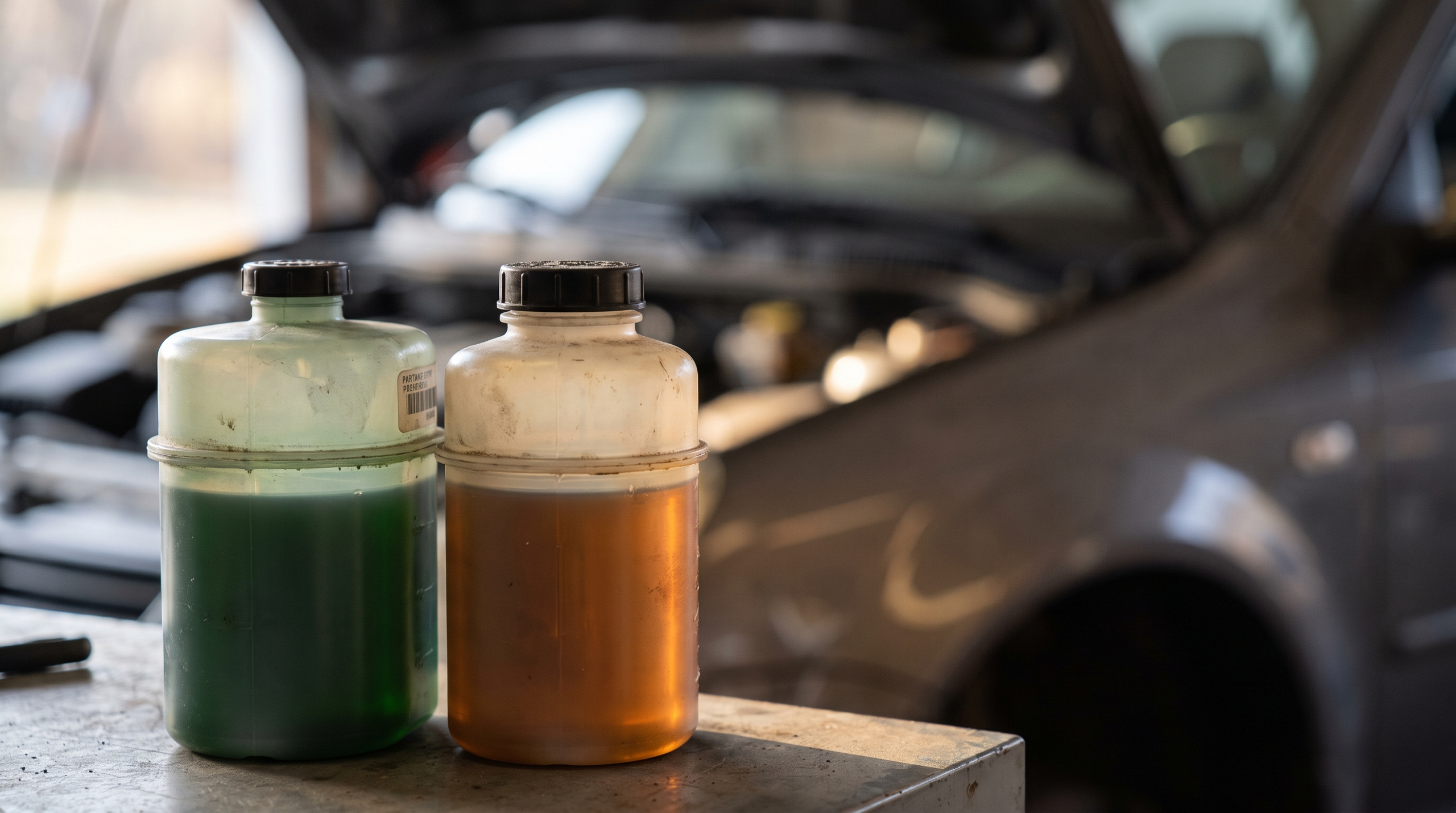
Determine whether your vehicle uses hydraulic power steering or electric power steering. Hydraulic systems require fluid; electric systems do not. Check your owner's manual or look under the hood for a power steering reservoir—if present, you have a hydraulic system that needs Pentosin CHF 11S, a green synthetic fluid specifically engineered for VW and Audi applications.
Step 1
Locate and inspect the power steering reservoir
Find the power steering reservoir under the hood, typically marked with a steering wheel icon. Check the fluid level against the MIN/MAX markings on the translucent reservoir. The fluid should appear green and clean—any brown or black discoloration indicates contamination requiring a complete flush.
Step 2
Verify brake fluid specification
Consult your vehicle's service manual to confirm the brake fluid specification. Most modern Audi and VW models require DOT 4 or DOT 4 LV brake fluid. The brake fluid reservoir is usually located near the firewall on the driver's side, marked with a brake warning symbol. Check that the fluid level sits between the MIN and MAX lines.
Use Only Specified Fluids for Audi VW Power Steering Brake Fluid Systems
Purchase fluids that meet exact manufacturer specifications. For power steering, use only Pentosin CHF 11S—never substitute with generic power steering fluid or ATF. For brakes, use DOT 4 or DOT 4 LV as specified for your model year. Across Audi's A3, A4, A5, A6, A7, A8, Q3, Q5, Q7, and Q8 lines, DOT 4 LV with a 1.0 L capacity is standard.
Step 3
Replace brake fluid on schedule
Brake fluid absorbs moisture over time, reducing boiling point and braking efficiency. Replace brake fluid every two years or 20,000 miles, whichever comes first. This interval prevents moisture contamination that leads to corrosion and vapor lock under heavy braking.
Perform a Complete System Flush When Needed
If you discover contaminated fluid or suspect the wrong fluid was added, perform a complete system flush immediately. For power steering, this requires cycling fresh CHF 11S through the system while turning the steering wheel lock-to-lock with the engine running. For brakes, bleed all four corners starting from the farthest wheel from the master cylinder, replacing all old fluid with fresh DOT 4 or DOT 4 LV.
Step 4
Document fluid changes
Record the date, mileage, and fluid type used for every service. Keep receipts showing the exact product specifications. This documentation proves proper maintenance if warranty claims arise and helps the next technician understand your vehicle's service history.
Tips and Tricks
Maintaining power steering and brake fluid systems in Audi and VW vehicles requires attention to detail and adherence to manufacturer specifications. These practical tips will help you avoid common pitfalls and keep your hydraulic systems operating reliably.
Check Fluid Condition Regularly
Power steering fluid should be inspected at regular intervals, not just when problems arise. Look for discoloration, cloudiness, or particulate contamination in the reservoir. Brake fluid naturally absorbs moisture over time, which lowers its boiling point and compromises braking performance. If either fluid appears dark or contaminated, schedule a replacement even if you haven't reached the mileage interval.
Never Mix Mineral and Synthetic Fluids
One of the most critical rules when servicing these systems is maintaining fluid compatibility. Mixing mineral-based fluids with synthetic formulations can cause the fluid to curdle, leading to hydraulic failure and costly component damage. CHF 11S is a synthetic fluid—adding conventional ATF or mineral-based alternatives will compromise the entire system. Similarly, never mix DOT 3, DOT 4, and DOT 5.1 brake fluids with silicone-based DOT 5, as they are chemically incompatible.
Follow Manufacturer-Recommended Intervals
While some sources suggest checking fluid condition as the primary indicator, adhering to scheduled replacement intervals provides the most reliable protection. Power steering and brake fluids should typically be changed every 2 years or 50,000 km, though specific models may have different requirements. Consult your owner's manual or service schedule for the exact interval applicable to your vehicle.
The cheapest insurance against hydraulic system failure is replacing fluid on schedule, not waiting for symptoms to appear.
Consider Environmental Factors
Regional temperature extremes affect fluid performance. If you operate your vehicle in very hot or cold climates, the fluid's viscosity characteristics become even more important. Synthetic fluids like CHF 11S and DOT 4 maintain stable performance across wider temperature ranges than older formulations, making them particularly valuable in demanding conditions. Always verify that replacement fluids meet the temperature specifications for your operating environment.
Use Only Approved Specifications
When purchasing replacement fluids, verify that the product explicitly lists the required specification on its label. For Audi and VW power steering systems, look for "CHF 11S" or "G 004 000 M2" approval. For brake systems, confirm "DOT 4" or the specific VW standard if applicable. Generic or "universal" products may not meet the precise performance requirements these vehicles demand, even if they seem similar.
Frequently Asked Questions About Audi VW Power Steering Brake Fluid
What type of power steering fluid do Audi and VW vehicles use?
Audi and VW vehicles with hydraulic power steering require Pentosin CHF 11S, a synthetic mineral-based fluid that meets VAG specification G 004 000 M2. Never substitute with ATF or generic power steering fluid, as these damage seals and hydraulic components.
Can I use DOT 3 brake fluid in my Audi or VW?
No. Modern Audi and VW models specify DOT 4 or DOT 4 LV brake fluid. While DOT 3 and DOT 4 can technically mix, DOT 3 has a lower boiling point and does not meet the performance requirements for these vehicles' braking systems.
How often should I replace brake fluid in my Audi or VW?
Replace brake fluid every two years or 20,000 miles, whichever comes first. Brake fluid absorbs moisture over time, reducing its boiling point and introducing corrosion into the ABS system and calipers.
What happens if I put ATF in my VW power steering system?
ATF damages the seals and internal components in VW and Audi hydraulic steering systems. The chemical incompatibility causes leaks, erratic steering assist, and eventual rack failure requiring expensive replacement.
How can I tell if my power steering fluid is contaminated?
Healthy CHF 11S appears green and translucent. Brown, black, or cloudy fluid indicates contamination from seal degradation, moisture, or incorrect fluid mixing. Contaminated fluid requires immediate system flushing.
Conclusion
Maintaining your Audi or VW with the correct power steering and brake fluids is not a matter of preference—it's a matter of preserving system integrity and ensuring safe, reliable operation. Using CHF 11S for hydraulic power steering systems and DOT 4 brake fluid for braking systems protects precision-engineered components from premature wear, corrosion, and catastrophic failure. These specifications exist because VAG engineers designed seals, pumps, and hydraulic circuits around specific fluid chemistries; substituting incompatible products introduces risk that no cost savings can justify.
Brake fluid's hygroscopic nature means that moisture absorption is inevitable, not optional. The two-year service interval reflects the point at which absorbed water begins to compromise boiling points and accelerate internal corrosion. Waiting longer may seem harmless in normal driving, but the first hard stop or mountain descent will reveal whether your fluid still has the thermal margin it needs. For power steering systems, CHF 11S's unique additive package and mineral base provide the long-term stability that keeps rack-and-pinion assemblies operating smoothly across hundreds of thousands of miles.
Over years of working with European fluid specifications and sourcing OEM-approved products from distributor catalogs, I've seen how small details—like using the correct Pentosin CHF 11S formulation or confirming DOT 4 boiling points—prevent expensive repairs that stem from fluid incompatibility. The investment in proper maintenance fluids is modest compared to the cost of a failed power steering pump or a compromised brake system. Your Audi or VW was engineered to exacting standards; the fluids you choose should meet those same standards without compromise.
Written by
Lee Shahin
Founder, European Wholesale Parts
Lee Shahin founded European Wholesale Parts after 18 years in the Mercedes-Benz and BMW parts trade in Northern California. He writes about fluid specifications and parts sourcing for European cars.