


How to Find a BMW Specialist for Fluid Services in Europe
Learn how to find a reliable BMW specialist for fluid services in Europe, ensuring proper maintenance and performance of your vehicle.
Introduction
A BMW specialist for fluid services is a technician who verifies fluid approvals, stocks BMW Longlife LL-01 and LL-04 engine oils, uses BMW blue coolant, and follows the Condition Based Service (CBS) maintenance system. The right specialist checks the build date, reads the approval on the bottle, and knows which products meet the requirement for your specific engine code and model year.
Finding a BMW specialist for fluid services in Europe means locating a technician who checks the build date, reads the approval on the bottle, and knows which products meet the requirement. BMW vehicles hold specific capacities — an E90 automatic transmission model takes 8.2 liters of coolant, a manual takes 8.4 — and the service interval is not a suggestion. BMW recommends regular checks of engine oil level, coolant level, brake fluid level and washer fluid when refueling, and a qualified shop performs these checks as part of the maintenance routine.
The BMW maintenance system identifies service tasks by interval and combines certain jobs with the engine oil service. Cabin microfilters, engine air filters and spark plugs are replaced at designated service counter numbers, and brake fluid is replaced at specific mileage points. A specialist who understands this system does not guess at intervals or substitute fluids — they follow the schedule BMW publishes and use the products BMW approves. For more on sourcing the correct components, see our European Car Parts: Sourcing Guide for Specifications and Approvals.
The right shop does not top off coolant with whatever is on the shelf. They verify the product meets the BMW specification, check the capacity by model and engine code, and fill to the mark. They do not mix formulations, and they do not substitute a generic product because it is cheaper. The cheap way costs more when the cooling system corrodes and the repair bill arrives.
Why Finding a Qualified BMW Specialist for Fluid Services Matters
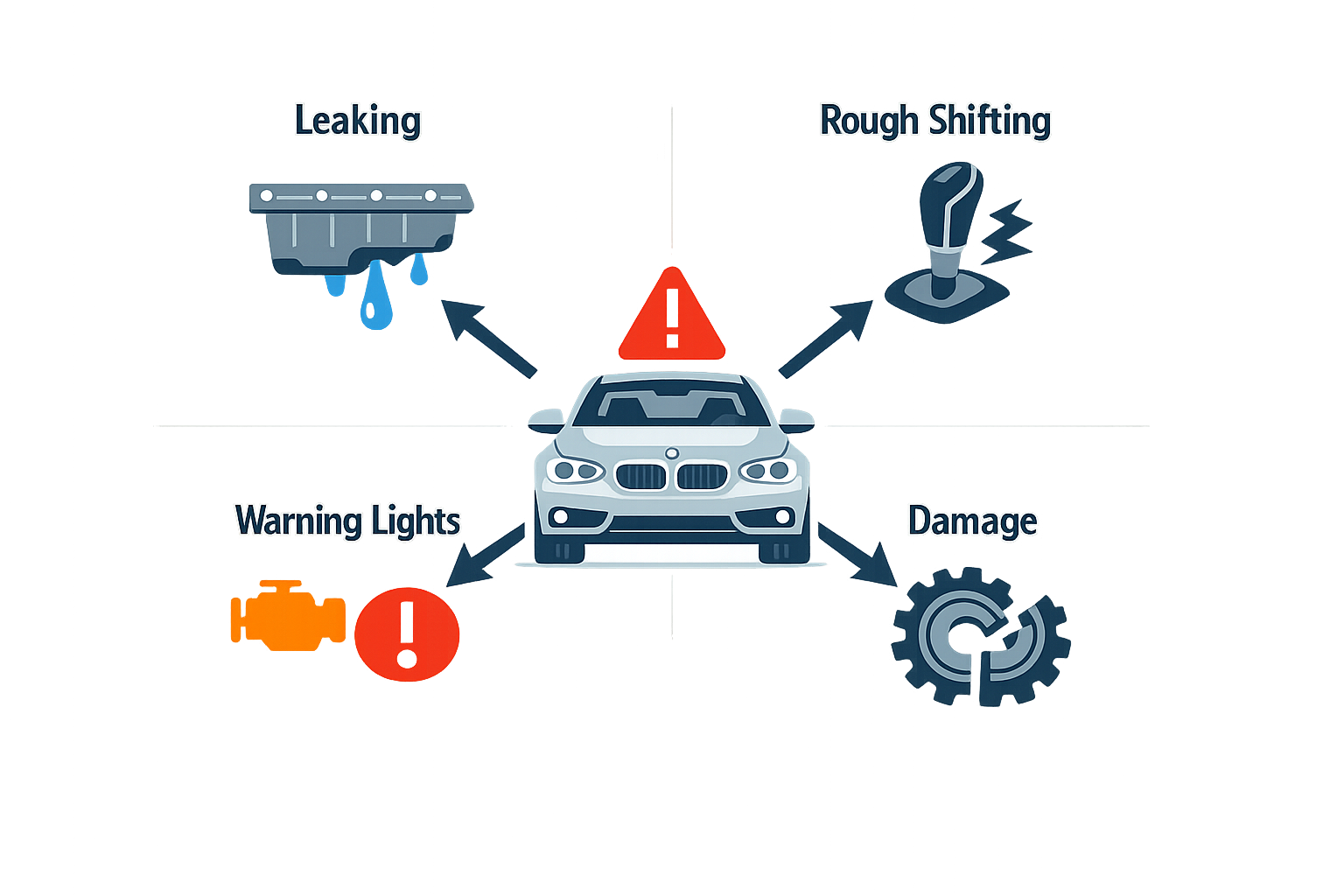
The wrong technician costs more than the right one. Customers often bring BMWs in after a general shop topped the coolant with the wrong formulation or ran a 5W-30 without the LL-01 approval printed on the bottle. The damage shows up later — variable timing solenoids clog, water pumps seize, and the invoice climbs.
BMW specifies long-term rated fluids for a reason. The maintenance system tracks engine oil, coolant, brake fluid and differential services by interval and counter number, not by what a shop happens to stock. When a technician ignores the approval and pours what fits the thread, the aluminum doesn't forgive it. Coolant is poisonous and requires careful handling — spills must be cleaned immediately and rinsed with water — but the larger risk is mixing formulations or using a product that lacks the factory approval.
What Happens When the Approval Is Missing
Run an oil without LL-04 in a diesel, and the particulate filter clogs early. Top blue coolant with orange, and the corrosion inhibitors drop out. The service counter at an authorized parts supplier sees this weekly: customers who saved on labor but paid double to undo the mistake.
The BMW maintenance program lists time-based and mileage-based services. Brake fluid, engine oil and cabin microfilter are date-sensitive; disconnecting the battery during storage interrupts the calculation, and the intervals must be brought current by someone who understands the system. A general technician may reset the light without performing the work or performing it with the wrong product.
How to Find a BMW Specialist for Fluid Services
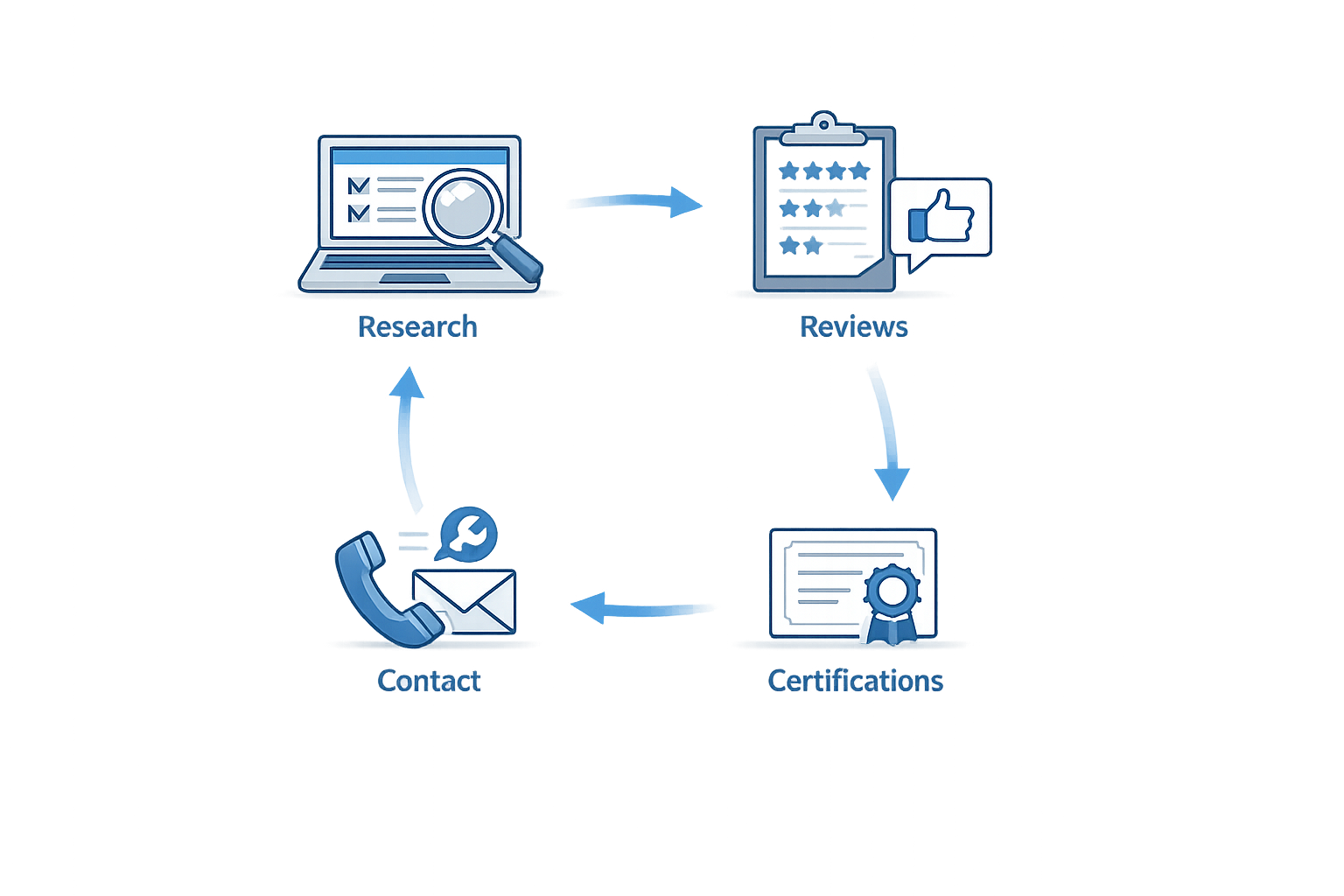
Finding a BMW specialist for fluid services who can handle the work correctly comes down to verifying what they know and what they stock. Here is the process used when someone asks where to take their car.
Call ahead and ask if they carry BMW Longlife LL-01 and LL-04 engine oils, and BMW blue coolant. If they hesitate or offer a generic substitute, move on. A real BMW specialist for fluid services will name the approval on the bottle without checking.
BMW uses Condition Based Service (CBS) to calculate fluid intervals. The shop should reset the service counter after each task and know which services combine with an oil change — cabin microfilter, engine air filter, spark plugs and final drive oil on M models. If they do not mention CBS, they are guessing at intervals.
Fluid specs change by model year and engine. A 2012 N55 takes LL-01; a 2015 B58 takes LL-04. The wrong oil clogs the variable timing solenoids first. Ask the shop how they verify which spec your car needs. The answer should reference the VIN or the engine code stamped on the block, not a general year range.
Coolant and oil capacities vary by transmission type and engine. An E90 with an automatic holds 8.2 liters of coolant; a manual holds 8.4 liters. If the shop does not have this documented, they are filling to a mark without knowing whether the system is actually full.
BMW fluid services require specific tools: a 6mm Allen bit for coolant drain plugs, a set of sockets for oil filter housings, and a bleed funnel for the cooling system. Walk through the shop if you can. The tools tell you whether they do this work regularly.
BMW Specialist Verification Checklist
When you contact a potential BMW specialist for fluid services, run through this short list:
- Do they name the Longlife approval without prompting?
- Can they explain what CBS is and how it calculates intervals?
- Do they ask for your VIN or engine code before quoting a service?
- Do they stock BMW-approved coolant, not a universal mix?
- Can they show you a maintenance schedule that matches the factory intervals?
If the answer to any of these is no, keep looking. For additional guidance on sourcing genuine components and understanding European parts networks, see our European Car Parts: Sourcing Guide for Specifications and Approvals and our guide on sourcing genuine OEM parts.
What to Expect from a BMW Specialist for Fluid Services

Finding the right BMW specialist for fluid services is only the first step. Here is what is learned at the counter about making sure the work gets done right.
Verify the Spec Before the Work Starts
Before your BMW goes on the lift, confirm the specialist knows which fluid spec your car requires. Ask them to show you the approval on the bottle. For engine oil, that means LL-01 or LL-04 printed on the label; for coolant, it is the blue BMW-approved formulation. If they cannot tell you the spec or show you the product, walk.
Do not assume the specialist stocks the right product just because they work on European cars. Shops may run generic 5W-30 in engines that require LL-04, and the variable timing solenoids can clog within 10,000 miles. Ask, verify, and if the answer is vague, go somewhere else.
Combine Services When It Makes Sense
BMW maintenance intervals are built around the engine oil service counter. When you bring the car in for an oil change, ask the BMW specialist for fluid services what else is due at that service number. The cabin microfilter, engine air filter, spark plugs and — on M vehicles — final drive oil often line up with specific oil service intervals. Combining these tasks saves you a second trip and keeps the car on the factory schedule.
For example, spark plugs are typically replaced every sixth oil service, around 60,000 miles. If your car is at that counter, do the plugs with the oil. The labor is already there, and skipping it means you pay twice for the same access later.
The service counter number tells you what is due now and what can wait — use it to plan the work, not to defer it.
Inspect Hoses and Connections During Fluid Services
When the specialist drains and refills coolant, brake fluid or power-steering fluid, they should inspect the hoses and connections at the same time. A hose that looks fine from the outside can have cracks at the clamp or softening at the bend. Catching it during a fluid service costs you a hose; missing it costs you a tow and an overheated engine.
Customers should ask for a hose inspection as part of the coolant flush. It takes five minutes, and if the shop says no, that tells you something about how thorough they are with the rest of the work.
Keep Your Own Service Records
Even if the specialist logs the work in their system, keep a separate record with the date, mileage, fluid spec and product name. If you sell the car or take it to a different shop later, you have proof of what went in and when. Buyers may walk away from a used BMW if the seller cannot prove the oil met LL-04 or the coolant was the blue spec.
Write it down, keep the invoice, and if the specialist gives you the old oil filter or a sample of the drained fluid, keep that too. It is not paranoia — it is documentation.
For more guidance on sourcing the right parts and fluids for European vehicles, see our European Car Parts: Sourcing Guide for Specifications and Approvals and our analysis of European auto market sourcing trends.
Conclusion
Finding a BMW specialist for fluid services in Europe comes down to one thing: whether they know the approvals and stock the right products. The shops that get it right are the ones that check the bottle before they open it. The wrong oil or coolant doesn't announce itself immediately — it shows up later as a clogged solenoid, a corroded head gasket, or a transmission that slips under load. By the time you notice, the damage is done.
The BMW specialist for fluid services you choose should be able to tell you which Longlife approval your engine requires and show you the product data sheet that proves the fluid meets it. They should know that BMW blue coolant isn't interchangeable with generic orange, and that mixing them is the mistake. They should have access to the current approved-product lists and be willing to reference them. If they can't do that, they're not a BMW specialist for fluid services — they're a general shop that happens to work on BMWs.
When you're evaluating a shop, ask about their parts sourcing. Do they buy from OE suppliers, or do they grab whatever the local distributor has on the shelf? Can they show you the approval printed on the bottle? Do they flush the system when they change coolant, or do they top it and hope? These questions separate the shops that understand the platform from the ones that treat every car the same. For more guidance on sourcing genuine components and understanding European parts supply chains, see our European Car Parts: Sourcing Guide for Specifications and Approvals and our guide on sourcing genuine OEM parts.
The right BMW specialist for fluid services costs what they cost because they do it correctly the first time. The cheap way costs more when you're back six months later replacing parts that should have lasted years. Your BMW was built to a spec, and it has to be maintained to that same spec. Find the shop that knows the difference, and you won't have to find another one.
Written by
Lee Shahin
Founder, European Wholesale Parts
Lee Shahin founded European Wholesale Parts in Pleasanton, California, after 18 years in the Mercedes-Benz and BMW parts trade. He came to the parts side from the shop floor: he opened a European repair shop in Northern California in the early 1990s, specialising in Mercedes-Benz and BMW, and grew it with his wife Laurie into a parts and delivery operation serving body shops and independent repair facilities across the region. Nearly two decades at the parts counter taught him where the expensive mistakes happen, and most of them are fluids: the wrong coolant in an aluminium block, an oil without the sheet approval the engine was designed for, a transmission topped with the wrong ATF. That is what he writes about here. Every article names the manufacturer specification by its exact designation, explains what the wrong fluid does mechanically, lists products that carry the approval, and gives the capacity and interval for the models and years the specification covers. When a reader needs a part sourced, the quote desk at European Wholesale Parts is where Lee and Laurie still answer the phone.