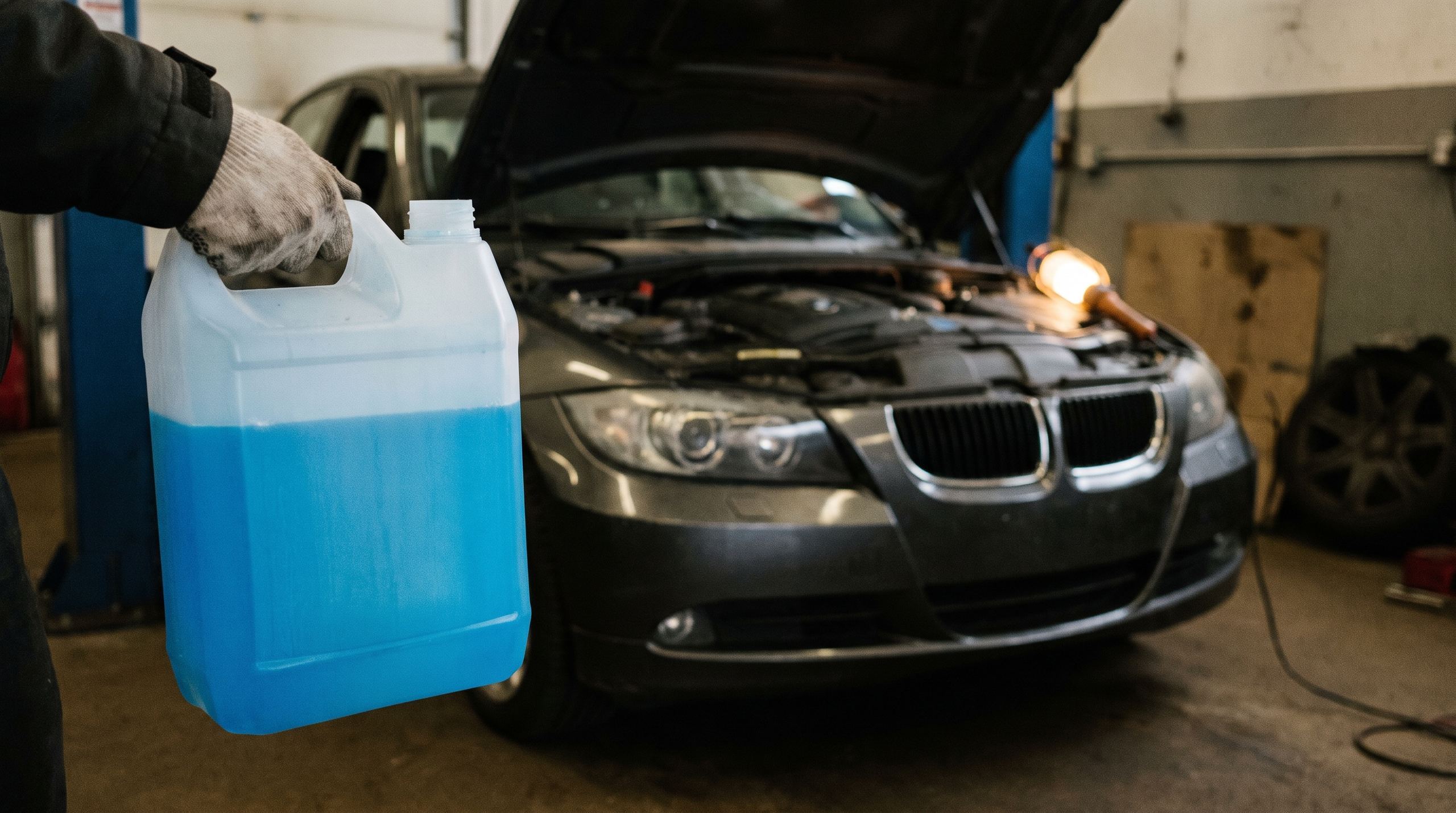
BMW Antifreeze: The Blue Coolant Spec and Its Replacements
Learn about BMW antifreeze specifications, including the blue coolant spec (BMW N 600 69.0) and what alternatives are available for your vehicle.
Introduction to BMW Coolant
Working at the parts counter for BMW and Mercedes-Benz taught me that the BMW blue coolant often confuses customers who think any blue antifreeze will do. However, this isn't the case—BMW's N 600 69.0 specification (now replaced by GS 94000 for hybrid or carboxylate type antifreezes) demands a specific formulation that protects aluminum components and maintains precise thermal management across the engine's operating range.
BMW antifreeze is not just colored water with additives. The manufacturer specifies a phosphate- and nitrite-free, ethylene-glycol-based HOAT (Hybrid Organic Acid Technology) coolant, typically blue in color, engineered specifically for the materials and tolerances in BMW engines. This formulation prevents galvanic corrosion between dissimilar metals, protects gaskets and seals, and maintains stable boil-over and freeze protection across extreme temperature ranges.
The distinction matters because European cooling systems operate at higher pressures and tighter tolerances than many domestic vehicles. Using an incompatible coolant—even one that looks identical—can lead to premature water pump failure, heater core blockage, and corrosion damage that appears months or years after the wrong fluid goes in. I've seen many instances where someone brings in a universal coolant, only to face issues with their vehicle's heating system later.
This guide walks through what makes BMW coolant different, why the specification matters, how to identify approved replacements, and the maintenance practices that keep your cooling system functioning as the engineers intended. Whether you're performing your first coolant flush or troubleshooting an overheating issue, understanding these specifications prevents expensive mistakes and extends the service life of critical components.
Learn about BMW coolant specifications, including the blue antifreeze spec (BMW N 600 69.0) and what alternatives are available.
What is BMW Coolant?
BMW antifreeze is a carefully engineered coolant that meets the manufacturer's strict chemical specifications. Unlike generic blue coolants available at auto parts stores, BMW's original formulation follows the N 600 69.0 specification — a phosphate- and nitrite-free, ethylene-glycol-based HOAT (Hybrid Organic Acid Technology) coolant. The blue color is distinctive, but it's the underlying chemistry that matters for protecting your engine and cooling system components.
The HOAT formulation combines organic acid corrosion inhibitors with a small amount of inorganic additives, creating a balanced approach to protecting aluminum, steel, and copper components in BMW's cooling systems. This hybrid technology extends service intervals while preventing the galvanic corrosion that can occur when dissimilar metals contact coolant in a closed system.
The N 600 69.0 Specification and Its Successor
BMW N 600 69.0 was the original blue coolant specification that defined the chemical requirements for decades of BMW vehicles. However, BMW has since updated its requirements with the GS 94000 specification, which covers hybrid and carboxylate-type antifreezes. While the N 600 69.0 designation is no longer current, many technicians and parts catalogs still reference it when discussing the classic blue BMW antifreeze.
Understanding this transition is important when sourcing replacement coolant. Products approved under the newer GS 94000 specification are engineered to meet or exceed the performance characteristics of the original blue coolant, though the approval process now accounts for modern engine materials and thermal management systems.
Chemical Composition and Properties
BMW coolant uses ethylene glycol as its base, providing freeze protection down to approximately -37°C (-35°F) when mixed at the recommended 50/50 ratio with distilled water. The HOAT inhibitor package includes organic acids like sebacate and 2-ethylhexanoic acid, which form protective layers on metal surfaces without the silicate buildup associated with older coolant technologies.
This formulation is specifically phosphate-free and nitrite-free, which prevents the formation of deposits in narrow cooling passages and protects sensitive gasket materials. The absence of these additives also makes BMW coolant compatible with the sensors and electronic components integrated into modern cooling systems, including electric water pumps and variable-position thermostats.
Why BMW Coolant Matters
The question of which coolant belongs in a BMW is more than a brand-loyalty issue; it has direct implications for engine longevity, cooling efficiency, and warranty compliance. BMW engineers design cooling systems around specific chemical formulations that protect the aluminum-heavy components found throughout modern BMW engines. When you deviate from the specified coolant, you're not just risking a voided warranty—you're potentially shortening the lifespan of expensive parts that were never meant to handle alternative chemistries.
Using the wrong coolant can lead to corrosion, leaks, or premature failure of components in BMW's aluminum-heavy cooling systems. Aluminum oxidizes differently than cast iron, and the inhibitor package in BMW-approved coolants is formulated specifically to prevent galvanic corrosion between dissimilar metals in the engine block, cylinder head, radiator, and water pump. Universal coolants often lack the precise balance of silicates, phosphates, and organic acids that BMW's N 600 69.0 specification requires, leaving critical surfaces vulnerable to pitting and scale buildup.
The Real Cost of Shortcuts
Many vehicle owners assume that any blue antifreeze will work in a BMW, but color is purely cosmetic—it tells you nothing about the inhibitor chemistry or approval status. A parts-store "universal" coolant might share the same hue as the OEM product, yet deliver none of the corrosion protection your cooling system depends on. Over time, this mismatch shows up as weeping hoses, clogged heater cores, and water pumps that fail thousands of miles ahead of schedule.
From a warranty perspective, BMW and its dealers reserve the right to deny coverage for cooling-system failures if they find evidence of non-approved fluids during an inspection. The cost of replacing a corroded radiator or repairing a leaking cylinder head gasket far exceeds any savings you might capture by choosing a cheaper coolant at the outset. In the long run, sticking with the correct specification is the most economical decision you can make for your vehicle.
How to Choose the Right BMW Antifreeze
Selecting the correct coolant for your BMW isn't about picking any blue fluid off the shelf—it requires understanding specifications, chemistry compatibility, and your vehicle's specific requirements. The right choice protects your engine from corrosion, maintains optimal operating temperatures, and prevents costly repairs down the line.
Understanding BMW Coolant Specifications
BMW specifies coolant under the N 600 69.0 standard, which defines the chemical composition and performance characteristics required for their cooling systems. This specification ensures compatibility with the aluminum and magnesium alloys used throughout BMW engines and cooling components. The genuine BMW coolant is a blue-dyed ethylene glycol formulation using HOAT (Hybrid Organic Acid Technology) chemistry, which provides long-term corrosion protection without phosphates that can form deposits in high-temperature environments.
When evaluating aftermarket options, the specification match matters more than the color. While BMW's coolant is distinctively blue, not every blue antifreeze meets the N 600 69.0 standard—a common source of confusion at the parts counter.
Criteria for Selecting Compatible Coolant
When choosing an aftermarket coolant, verify it explicitly states compatibility with BMW specifications and uses HOAT chemistry without phosphates. The product should come from a reputable manufacturer with documented approvals rather than generic claims of universal compatibility.
Step 1
Verify the specification
Check that the coolant packaging explicitly lists BMW N 600 69.0 approval or states compatibility with BMW vehicles using HOAT technology. Generic "European vehicle" claims aren't sufficient—you need the specific BMW reference.
Step 2
Confirm phosphate-free formulation
Ensure the product label confirms phosphate-free chemistry. Phosphate-based coolants can cause scale buildup in BMW cooling systems, reducing heat transfer efficiency and potentially clogging narrow passages.
Step 3
Match your climate requirements
Select a coolant concentration that provides adequate freeze protection for your climate. Most pre-mixed coolants offer protection to -25°C to -30°C, suitable for typical conditions. If you're in extreme cold climates, verify the freeze point meets your needs.
Step 4
Stay consistent with existing coolant
If topping off rather than performing a complete flush, use the same brand and specification already in your system. Mixing different coolant chemistries—even if both claim BMW compatibility—can cause chemical reactions that reduce protection and create sludge.
Approved Aftermarket Alternatives
Several aftermarket coolants meet BMW specifications and provide reliable performance. Zerex G48 is widely recognized as meeting BMW requirements and is commonly stocked by independent shops. In the UK market, Comma Xstream G48 and Castrol Radicool SF are popular alternatives that match BMW specifications.
Before purchasing any aftermarket product, cross-reference the manufacturer's approval documentation. Reputable coolant manufacturers maintain published lists of OEM approvals on their websites or technical data sheets. This verification step takes minutes but prevents compatibility issues that might not surface until months later.
What to Avoid
Steer clear of universal coolants that claim compatibility with "all makes and models." These products typically use older IAT (Inorganic Acid Technology) or OAT (Organic Acid Technology) formulations that don't match BMW's HOAT requirements. Similarly, avoid coolants marketed primarily for domestic vehicles or those containing silicates, which can form abrasive particles in BMW systems.
Never mix green (IAT), orange (OAT), or other colored coolants with BMW's blue HOAT formulation. The chemical incompatibility can cause gel formation, reduce corrosion protection, and create deposits that impair cooling system function.
Best Practices for Maintaining BMW Coolant
Maintaining your BMW's cooling system correctly extends engine life and prevents expensive repairs. The cooling system is a sealed environment that requires periodic attention, even though BMW engineers designed it for minimal intervention. Following manufacturer guidelines ensures your vehicle operates within the precise temperature range the engine management system expects.
Use the Correct Mixing Ratio
BMW specifies a 50:50 mixture of approved coolant concentrate and distilled or deionized water for most climates. This ratio provides freeze protection to approximately -34°F (-37°C) while maintaining optimal heat transfer properties. Never use tap water—minerals in municipal water supplies create deposits that reduce cooling efficiency and can damage aluminum components. The 50:50 ratio also ensures the correct concentration of corrosion inhibitors that protect the engine's mixed-metal construction.
Follow BMW's Replacement Intervals
BMW recommends coolant replacement every 4 years for standard models. M series vehicles require more frequent service—every 3 years—due to higher thermal loads and performance demands. These intervals account for the gradual depletion of corrosion inhibitors, not coolant breakdown. Even if the fluid looks clean, the additive package loses effectiveness over time, leaving metal surfaces vulnerable to galvanic corrosion.
Replacement intervals assume the system remains sealed and contamination-free. If you've added water to compensate for leaks, or if the system has been opened for repairs, consider shortening the interval to 2-3 years.
Check Coolant Level Regularly
Inspect the expansion tank monthly when the engine is cold. The level should sit between the MIN and MAX marks molded into the tank. A gradually dropping level indicates a leak—coolant doesn't evaporate from a properly sealed system. Address leaks immediately; running low on coolant creates hot spots that warp cylinder heads and damage head gaskets.
Never open the expansion tank cap when the engine is hot. The system operates under pressure, and releasing that pressure suddenly can cause violent boiling and severe burns.
Step 1
Locate the expansion tank
The coolant expansion tank sits in the engine bay, typically on the passenger side. It's a translucent plastic reservoir with MIN/MAX level markings and a yellow or blue cap.
Step 2
Check level when cold
Wait at least 30 minutes after the engine was last running. The coolant level should be visible between the MIN and MAX marks. If it's below MIN, add a 50:50 mixture of BMW-approved coolant and distilled water.
Step 3
Look for contamination
Healthy coolant is clear and blue (or green for older vehicles). Brown or rusty coolant indicates corrosion. Oil floating on the surface or a milky appearance suggests head gasket failure—both require immediate professional attention.
Flush the System During Coolant Changes
A complete coolant service includes flushing the old fluid and any accumulated sediment from the system. Simply draining the radiator leaves 30-40% of the old coolant in the engine block, heater core, and hoses. Flushing with distilled water until the discharge runs clear ensures the new coolant isn't diluted by old fluid with depleted inhibitors.
After filling with fresh coolant, bleed the system to remove air pockets. Air trapped in the cooling system creates hot spots and prevents the heater from working correctly. BMW vehicles typically require a specific bleeding procedure—consult your owner's manual or a qualified technician.
Inspect Hoses and Connections
During coolant service, inspect all hoses for cracks, soft spots, or swelling. Coolant hoses deteriorate from the inside out; external appearance can be deceiving. Squeeze accessible hoses—they should feel firm and springy, not soft or brittle. Replace any hose showing signs of deterioration. Also check hose clamps for corrosion and proper tightness.
The expansion tank cap contains a pressure valve that maintains system pressure. A failing cap allows coolant to boil at lower temperatures and can cause overheating. Replace the cap every other coolant service as preventive maintenance.
Maintain Service Records
Document every coolant service with the date, mileage, and products used. This record helps you track maintenance intervals and provides valuable information if cooling system problems develop. It also demonstrates proper maintenance if you sell the vehicle—prospective buyers value documented service history on European cars.
If you're having the work done professionally, verify the shop uses BMW-approved coolant. Some facilities default to universal coolants to simplify inventory, but these products may not meet BMW's specifications for aluminum corrosion protection.
Common Mistakes with BMW Coolant
BMW owners often make avoidable errors when selecting and maintaining coolant, and these mistakes can have serious consequences for aluminum-heavy cooling systems. Understanding where people go wrong helps you sidestep the same traps and keep your vehicle running as designed.
Assuming Any Blue Coolant Will Work
The most common mistake is thinking that any blue-colored antifreeze is suitable for a BMW. While BMW's N 600 69.0 specification coolant is blue, not all blue coolants meet this standard. Many universal coolants are dyed blue but lack the specific corrosion inhibitors and formulation required by BMW's aluminum engine components. Using an incompatible product can lead to corrosion, leaks, or premature failure of components in the cooling system.
Mixing Different Coolant Types
Another frequent error is mixing coolants with different base chemistries. BMW's blue coolant is an ethylene glycol-based formulation with specific phosphate-free inhibitors. Mixing it with G12, G13, or other OAT-based coolants compromises the inhibitor package and can cause gel formation or reduced protection. Even when topping off, use only coolant that matches your system's existing specification.
Neglecting Coolant Replacement Intervals
Some owners treat coolant as a lifetime fluid, ignoring BMW's recommended replacement intervals. Over time, corrosion inhibitors deplete, and the coolant's protective properties diminish. Following the manufacturer's service schedule for coolant replacement ensures that your cooling system maintains proper protection against corrosion and overheating.
Ignoring Concentration Ratios
Using incorrect coolant-to-water ratios is another oversight. BMW specifies a 50/50 mix of coolant concentrate and distilled water for most climates. Too much concentrate reduces heat transfer efficiency, while too much water weakens freeze and corrosion protection. Always mix to the recommended ratio, and use distilled water to avoid mineral deposits.
Skipping System Flushing During Coolant Changes
Simply draining and refilling without flushing leaves old coolant residue in the system. This residue can contaminate the fresh coolant and reduce its effectiveness. A proper flush removes debris, old inhibitors, and contaminants, giving the new coolant a clean environment to work in.
Frequently Asked Questions About BMW Coolant
Can I use any blue coolant in my BMW?
No. While BMW's original coolant is blue, color alone doesn't determine compatibility. The critical factor is the specification—BMW N 600 69.0 for older vehicles or GS 94000 for newer models. Many universal blue coolants lack the phosphate-free, nitrite-free formulation BMW requires. Using the wrong product can lead to corrosion, seal degradation, and cooling system failures.
Always verify that a coolant meets BMW's specification rather than relying on color matching.
What is the difference between BMW N 600 69.0 and GS 94000?
BMW N 600 69.0 was the original specification for the blue antifreeze used in older BMW models. This spec has been replaced by GS 94000, which covers hybrid or carboxylate-type antifreezes. Both are ethylene-glycol-based HOAT (Hybrid Organic Acid Technology) formulations, but GS 94000 represents the updated standard for modern BMW vehicles.
If you're servicing a newer BMW, confirm which specification applies to your model year and engine type.
Can I mix different BMW coolant types?
Mixing coolant types is not recommended. Different formulations—even if both are BMW-approved—can react chemically and reduce the effectiveness of corrosion inhibitors. If you need to top off your coolant and don't have the exact product on hand, it's safer to add distilled water temporarily and perform a complete flush and fill at your earliest opportunity.
Keeping a bottle of the correct BMW-approved coolant in your garage eliminates this problem.
How often should I replace BMW coolant?
BMW typically recommends coolant replacement every 4 years or 60,000 miles, though this varies by model and year. Consult your owner's manual or the service interval display in your vehicle for the exact schedule. Regular replacement prevents the gradual breakdown of corrosion inhibitors, which can lead to internal engine damage over time.
Staying on schedule is far cheaper than repairing a corroded cooling system.
What happens if I use the wrong coolant in my BMW?
Using non-approved coolant can cause several problems: accelerated corrosion of aluminum components, degradation of rubber seals and hoses, reduced heat transfer efficiency, and potential overheating. In severe cases, incorrect coolant can lead to water pump failure, radiator leaks, or even engine damage. These repairs are expensive and avoidable.
Is Zerex G48 a good replacement for BMW blue coolant?
Zerex G48 is widely recognized as meeting BMW's coolant specifications and is a common aftermarket choice. However, before using any replacement product, verify that it explicitly lists BMW N 600 69.0 or GS 94000 approval on the label. Not all products marketed as "BMW-compatible" have undergone the testing required for official approval.
Cross-checking the manufacturer's approval list ensures you're getting a product that meets BMW's stringent requirements.
Can I use G12 or G13 coolant in my BMW?
No. G12 and G13 are Volkswagen/Audi coolant specifications and are not interchangeable with BMW's N 600 69.0 or GS 94000. While both are ethylene-glycol-based, they use different additive packages and are formulated for different metallurgy. Using VW/Audi coolant in a BMW can lead to the same corrosion and seal issues as using any other non-approved product.
Stick to coolants that explicitly meet BMW specifications.
Conclusion
Choosing the correct BMW antifreeze is not simply a matter of preference—it directly affects your engine's longevity, cooling efficiency, and warranty compliance. Throughout this guide, we've explored the BMW N 600 69.0 specification that defines the blue coolant, examined why this standard exists, and identified approved alternatives like Zerex G48 that meet BMW's stringent requirements.
The key takeaway is straightforward: not all blue coolants are created equal. Using a universal antifreeze that happens to be blue can lead to heating system issues, corrosion, and potential engine damage. Always verify that any replacement coolant explicitly lists BMW approval and matches the N 600 69.0 specification or its equivalent.
From my years working at the parts counter for BMW and Mercedes-Benz, I learned that cross-checking the manufacturer's approval list is essential before recommending any product. Even the most common shop answers can be misleading if not verified against the latest specifications. This habit has saved countless customers from costly mistakes.
Maintaining your BMW's cooling system means following the recommended service intervals—typically every 4 years for standard models and every 3 years for M series vehicles. Regular inspection for leaks, proper mixing ratios, and using only approved coolants will keep your engine running at optimal temperature for years to come.
When in doubt, consult your owner's manual or a qualified BMW technician. The small investment in the correct coolant today prevents expensive repairs tomorrow, ensuring your BMW continues to deliver the performance and reliability you expect.
Written by
Lee Shahin
Founder, European Wholesale Parts
Lee Shahin founded European Wholesale Parts after 18 years in the Mercedes-Benz and BMW parts trade in Northern California. He writes about fluid specifications and parts sourcing for European cars.