Volvo Antifreeze: The Blue-Green Volvo Spec and Approved Products
Learn about volvo antifreeze, its blue-green specifications, and approved products to keep your vehicle running smoothly and protected year-round.
Introduction to Volvo Antifreeze
Volvo antifreeze is a specialized coolant formulated to meet the precise thermal and chemical requirements of Volvo engines. Unlike generic coolants, Volvo-approved antifreeze follows strict specifications—most notably the blue-green formulation that meets Volvo's VCS-2 standard for heavy-duty diesel and gas engines. This coolant protects against freezing in winter, prevents boiling in summer, and guards critical engine components from corrosion and cavitation damage.
Understanding which antifreeze your Volvo requires is not optional maintenance trivia—it's a warranty and longevity issue. Using the wrong coolant or mixing incompatible formulations can accelerate wear, trigger costly repairs, and void manufacturer coverage. After years of tracking European OEM fluid specs across platforms, I've seen how a single coolant misstep can turn a routine service into an expensive lesson.
This guide walks you through everything you need to know about Volvo antifreeze: what makes it different, why the blue-green specification matters, which products carry genuine Volvo approval, and how to maintain your cooling system for maximum protection and performance.
Learn about Volvo coolant, its blue-green specifications, and approved products to keep your vehicle running smoothly.
What is Volvo Antifreeze?
Volvo antifreeze is a specialized engine coolant formulated to meet Volvo's proprietary VCS-2 specification. This blue-green coolant is engineered specifically for Volvo's modern engine platforms, including diesel engines like the D11K1 and D13K series, as well as gas engines such as the G13. The volvo antifreeze serves dual purposes: preventing freezing in cold climates and protecting against boil-over in high-temperature operating conditions.
Composition and Mixing Requirements
Volvo prescribes a precise mixing ratio of 40% antifreeze concentrate and 60% water for engines meeting the VCS-2 specification. This fixed ratio ensures optimal thermal protection and chemical balance within the cooling system. The base chemistry typically consists of ethylene glycol or propylene glycol combined with corrosion inhibitors, anti-foam agents, and buffering compounds that maintain pH stability throughout the coolant's service life.
The VCS-2 specification represents Volvo's engineering standard for coolant performance, covering parameters such as freezing point depression, boiling point elevation, corrosion protection for aluminum and cast iron components, and compatibility with seals and hoses used throughout Volvo's cooling systems.
Properties and Performance Characteristics
Volvo antifreeze meeting the VCS-2 standard provides comprehensive protection against galvanic corrosion, cavitation erosion on cylinder liners, and scale formation in coolant passages. The blue-green color serves as a visual identifier for VCS-2 compliant products, helping technicians and owners distinguish Volvo-approved coolant from generic alternatives during service intervals.
Products like Eurol Coolant -26°C VCS-2 exemplify coolants formulated to meet Volvo's OEM specification. These approved products undergo rigorous testing to verify compatibility with Volvo's materials, temperature cycling performance, and long-term stability under the thermal and mechanical stresses characteristic of modern turbocharged engines.
Why Volvo Antifreeze Matters
The volvo antifreeze you choose directly affects your Volvo's engine longevity, thermal management, and warranty coverage. Using a product that meets Volvo's specifications—particularly the VCS-2 standard for heavy-duty engines—ensures the cooling system can handle both extreme cold and the intense heat cycles modern turbocharged engines generate. A mismatch in formulation can accelerate corrosion, degrade seals, and compromise the system's ability to protect critical components during thermal stress.
Engine Protection and Heat Management
Volvo engines rely on antifreeze not only to prevent freezing but also to absorb and dissipate heat after heavy use. During the heat soak effect—when an engine is shut down after sustained high load—the coolant's thermal capacity becomes more critical than its freezing point. A properly formulated volvo antifreeze continues to pull heat away from the block and cylinder head even when the water pump stops circulating, preventing localized overheating that can warp aluminum components or damage gaskets.
Using a coolant that meets the VCS-2 specification is crucial for maintaining warranty and preventing increased wear or serious engine damage. Volvo's approval process tests for compatibility with the specific alloys, rubber compounds, and operating temperatures found in their cooling systems. A generic antifreeze may meet industry minimums but still lack the additive package required to protect Volvo's unique mix of materials over the long service intervals the manufacturer specifies.
Cold-Weather Performance and System Integrity
Cold temperatures can negatively impact your vehicle's battery, fluids, tires, and engine performance, making preventive measures essential. In northern climates, the coolant's freezing point determines whether your engine survives a subzero night without cracking the block or splitting a radiator tank. But freeze protection is only half the equation—the mixture ratio also affects boiling point, which matters when ambient temperatures climb or when the engine is under load in traffic.
A 50/50 mix of Volvo-approved volvo antifreeze and distilled water typically provides freeze protection to around -34°F (-37°C) and raises the boiling point to approximately 265°F (129°C) under pressure. Deviating from this ratio—either too much concentrate or too much water—compromises both ends of the protection range and can reduce the effectiveness of corrosion inhibitors.
The right coolant protects your Volvo at both temperature extremes: it won't freeze solid in a Minnesota winter and won't boil over climbing a mountain pass in July.
Over time, volvo antifreeze degrades as inhibitors deplete and contaminants accumulate. Running an expired or off-spec product invites electrolysis, which eats away at aluminum radiator cores and water pump housings. The cost of a coolant flush is trivial compared to replacing a corroded radiator or rebuilding a seized water pump—both of which can strand you far from home and leave you with a repair bill that exceeds the value of proper maintenance by an order of magnitude.
How to Choose and Use Volvo Antifreeze
Selecting the right volvo antifreeze for your Volvo and using it correctly during maintenance are essential steps in protecting your engine from overheating and corrosion. The process begins with identifying products that meet Volvo's specifications and understanding the proper procedures for checking, topping off, and performing full coolant changes.
Identifying Approved Volvo Antifreeze Products
Volvo specifies a blue-green ethylene glycol-based coolant formulated with organic acid technology. When shopping for volvo antifreeze, look for products explicitly labeled as meeting Volvo specifications or carrying Volvo part numbers. Genuine Volvo coolant is available through dealerships and authorized parts suppliers, ensuring compatibility with your vehicle's cooling system. Aftermarket alternatives that meet the same specifications can also be used, but verify that the product documentation confirms compliance with Volvo's requirements before purchase.
The volvo antifreeze you choose should be rated for the temperature extremes in your region. Most Volvo-approved antifreeze mixtures provide protection down to at least -35°F when mixed at the correct ratio, though some formulations offer even lower freeze protection for severe climates.
Checking and Topping Off Coolant Levels
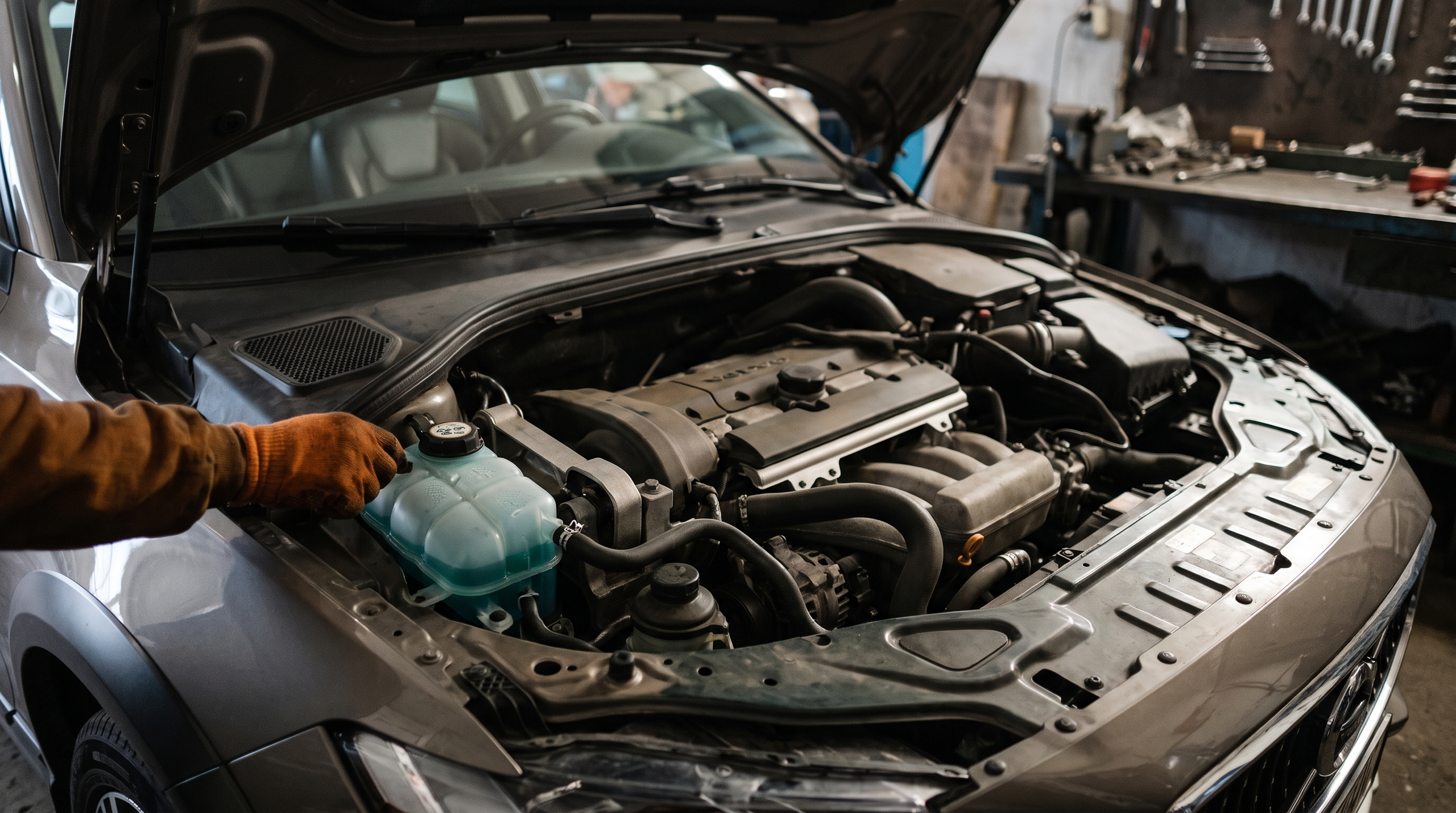
Regular coolant level checks are a simple but critical maintenance task. Always check the coolant level when the engine is cold to avoid burns from hot fluid or steam. Locate the coolant expansion tank—typically a translucent reservoir with MIN and MAX markings—and verify that the fluid level sits between these indicators. If the level is low, top off with a premixed coolant solution or a 50/50 mixture of concentrate and distilled water.
When topping off, remove the expansion tank cap slowly to release any residual pressure, then add volvo antifreeze until the level reaches the MAX line. Replace the cap securely and check for leaks around the tank and hoses after the next few drives.
Performing a Full Coolant Change
A complete coolant flush and refill should be performed according to your Volvo's maintenance schedule, typically every 5 to 10 years depending on the model and coolant type. This process involves draining the old coolant, flushing the system with distilled water to remove contaminants, and refilling with fresh volvo antifreeze mixed to the correct ratio.
Step 1
Drain the old coolant
With the engine cold, locate the drain plug at the bottom of the radiator or the lower radiator hose connection. Place a drain pan underneath and open the drain to allow the old coolant to flow out completely. Dispose of used coolant at a recycling center or hazardous waste facility—never pour it down drains or onto the ground.
Step 2
Flush the cooling system
Close the drain and refill the system with distilled water. Start the engine and let it run until it reaches operating temperature, then drain the water. Repeat this process if the drained water appears dirty or discolored, continuing until the water runs clear.
Step 3
Refill with approved coolant
Mix the volvo antifreeze concentrate with distilled water at a 50/50 ratio, or use premixed coolant. Pour the mixture into the expansion tank and radiator (if accessible) until the system is full. Start the engine and allow it to warm up with the heater on to help purge air pockets, then top off the coolant level as needed once the system stabilizes.
Mixing Ratios and Concentration Guidelines
The standard mixture for volvo antifreeze is 50% antifreeze concentrate and 50% distilled water, providing freeze protection to approximately -35°F and boil-over protection to around 265°F. In extreme cold climates, you can increase the antifreeze concentration up to 60%, but never exceed this ratio—higher concentrations actually reduce freeze protection and heat transfer efficiency.
Always use distilled or deionized water when mixing volvo antifreeze concentrate. Tap water contains minerals that can form deposits inside the cooling system, reducing efficiency and potentially causing blockages over time.
Avoiding Coolant Contamination
Different coolant formulations use incompatible additive packages, and mixing them can lead to chemical reactions that reduce corrosion protection and form sludge. Never mix Volvo's blue-green volvo antifreeze with orange, red, or pink coolants from other manufacturers. If you're uncertain about what's currently in your system, perform a complete flush before adding new coolant to ensure compatibility.
Keep your coolant reservoir cap clean and properly sealed to prevent dirt and debris from entering the system. Contamination can clog passages and damage the water pump, leading to costly repairs.
Best Practices for Maintaining Volvo Antifreeze
Maintaining your Volvo's cooling system is straightforward when you follow a few proven practices. The goal is to keep the volvo antifreeze mixture at the right concentration, monitor the system for signs of degradation, and replace the fluid at the intervals Volvo specifies. These habits prevent corrosion, maintain freeze protection, and ensure your engine runs at the correct operating temperature year-round.
Check Coolant Level and Concentration Regularly
Inspect the coolant reservoir every few weeks, especially before winter or a long trip. The level should sit between the MIN and MAX marks on the translucent tank. If it drops noticeably, top it off with the correct pre-mixed volvo antifreeze or a 50/50 mix of concentrate and distilled water. Never add plain water; it dilutes the antifreeze protection and the corrosion inhibitors your engine relies on.
Use a refractometer or test strips to verify the freeze point. A properly mixed blue-green volvo antifreeze protects down to approximately -35°C (-31°F). If the reading is higher, the mixture is too weak and needs adjustment.
Follow the Recommended Change Interval
Volvo's blue-green volvo antifreeze is a long-life formula, but it still degrades over time. Most Volvo service schedules call for a coolant flush and replacement every 10 years or 150,000 kilometers (approximately 93,000 miles), whichever comes first. Some sources recommend a more conservative interval of every few years or around 60,000 kilometers, especially if the vehicle operates in severe conditions or if the coolant shows visible contamination.
When you reach the service interval, drain the old coolant completely, flush the system with distilled water, and refill with fresh Volvo-approved volvo antifreeze. This removes accumulated contaminants and restores the full protective package.
Inspect Hoses, Clamps, and the Expansion Tank
Coolant leaks often start at hoses, clamps, or the expansion tank itself. During every oil change or seasonal inspection, look for:
- Swollen, cracked, or brittle hoses
- Loose or corroded clamps
- Cracks or discoloration in the plastic expansion tank
- Dried coolant residue around connections
Replace any suspect components immediately. A small leak can turn into a roadside breakdown if the coolant level drops below the pump inlet.
Bleed Air from the System After Any Service
Air pockets in the cooling system reduce heat transfer and can cause localized hot spots. After topping off or replacing volvo antifreeze, run the engine with the expansion cap off (when cool) until the thermostat opens and coolant circulates fully. Squeeze the upper radiator hose gently to help release trapped air, then top off the reservoir to the MAX line and reinstall the cap.
Some Volvo models have a dedicated bleeder screw on the thermostat housing or a high point in the coolant circuit. Consult your service manual for the exact procedure.
Common Mistakes with Volvo Antifreeze
Volvo owners sometimes make avoidable errors when handling volvo antifreeze, leading to reduced engine protection or costly repairs. Understanding these missteps helps you maintain your cooling system properly and avoid the complications that come from improper coolant management.
Mixing Different Coolant Types
One of the most frequent mistakes is mixing incompatible coolant formulations. Volvo specifies blue-green volvo antifreeze with particular additive packages, and introducing a different type—such as orange, pink, or generic green coolant—can cause chemical reactions that reduce corrosion protection and may form sludge. Always use coolant that meets Volvo specifications, and never top off your system with an unknown or mismatched product.
Ignoring the Correct Mixture Ratio
Another common error is failing to maintain the proper coolant-to-water ratio. Volvo antifreeze is typically sold as concentrate and must be diluted with distilled water to achieve the correct freeze and boil-over protection. Using tap water introduces minerals that can cause scaling, while an incorrect ratio weakens thermal performance. Follow the manufacturer's recommended mixture ratio—usually 50/50—to ensure optimal protection year-round.
Neglecting Coolant Level Monitoring
Some owners assume that volvo antifreeze levels remain constant and rarely check the expansion tank. In reality, coolant should not drop noticeably under normal conditions. If you find yourself topping off frequently, it signals a leak or system problem that requires immediate attention. Ignoring a declining coolant level can lead to overheating and serious engine damage.
Skipping Regular Coolant Changes
Volvo antifreeze degrades over time as its corrosion inhibitors deplete. Skipping scheduled coolant changes allows acids and contaminants to build up, which can corrode aluminum components and damage gaskets. Volvo specifies service intervals for a reason—adhering to them preserves your engine's longevity and prevents expensive repairs down the line.
Using Non-Approved Products
Some owners opt for generic or off-brand coolants to save money, but these products may not meet Volvo's stringent specifications. Non-approved coolants can lack the necessary corrosion inhibitors or use incompatible base chemistries. Stick to products explicitly approved for Volvo vehicles to ensure compatibility and full protection.
Frequently Asked Questions about Volvo Antifreeze
Volvo owners often have questions about the blue-green volvo antifreeze specification and how to maintain their cooling systems properly. This section addresses the most common concerns.
Can I mix different coolant brands in my Volvo?
Mixing coolant brands that meet the same specification is generally acceptable, but it's not ideal. If both products are approved to the Volvo specification and use the same ethylene glycol base with compatible inhibitor packages, they can coexist in your system. However, mixing formulations can dilute the effectiveness of the additive package and make it harder to track service intervals. When topping off, use the same brand and type already in your system. If you must switch brands, perform a complete flush first to avoid any potential incompatibility between different manufacturers' additive chemistries.
How often should I replace Volvo antifreeze?
Volvo typically recommends volvo antifreeze replacement every 10 years or at specific mileage intervals, depending on your model and model year. Consult your owner's manual for the exact schedule, as earlier P2 platform vehicles may have different intervals than newer SPA models. Even if the coolant looks clean, the corrosion inhibitors degrade over time and lose their protective properties. Staying on schedule prevents expensive engine damage that can result from worn-out coolant.
What happens if I use the wrong coolant in my Volvo?
Using an incorrect volvo antifreeze formulation can lead to several problems. Universal or "all-makes" coolants may not provide adequate corrosion protection for Volvo's specific aluminum alloys and gasket materials. Some formulations can cause silicate dropout, leading to blockages in narrow coolant passages or heater cores. In extreme cases, incompatible coolant can accelerate corrosion of cylinder head gaskets, water pump seals, and radiator components. If you've accidentally added the wrong coolant, drain and flush the system as soon as possible, then refill with an approved product.
Is Volvo antifreeze the same as other European brands?
No. While many European manufacturers use ethylene glycol-based coolants, the specific additive packages and inhibitor technologies vary significantly. Volvo's blue-green volvo antifreeze specification is distinct from BMW's blue coolant, Mercedes-Benz's MB 325.0 formulation, and the VW/Audi G12 or G13 standards. Each manufacturer engineers its coolant to protect the specific metals, gaskets, and operating temperatures in their engines. Using a coolant approved for a different European brand may seem close enough, but it won't provide the corrosion protection Volvo engineered into its specification.
Can I use marine antifreeze in my Volvo?
Marine antifreeze is formulated for different applications and should not be used in automotive cooling systems. Marine products are designed to protect against freezing in boat engines and plumbing systems during winterization, often with propylene glycol bases and different additive packages. Automotive volvo antifreeze must handle continuous high-temperature operation, provide long-term corrosion protection, and maintain proper heat transfer properties — requirements marine antifreeze is not designed to meet. Always use a coolant specifically approved for automotive use and meeting Volvo's specification.
How do I know if my volvo antifreeze needs to be replaced early?
Several signs indicate your volvo antifreeze may need replacement before the scheduled interval. Discoloration or a rusty, brownish tint suggests corrosion is occurring in the system. A sweet smell or visible leaks point to coolant escaping, which requires both a top-off and an investigation into the leak source. If your engine runs hotter than normal or the heater performance drops, degraded coolant may be losing its heat transfer efficiency. Oil contamination in the coolant (milky appearance) or coolant in the oil indicates a serious head gasket or internal seal failure requiring immediate attention.
Where can I buy approved Volvo antifreeze?
Approved volvo antifreeze is available through Volvo dealerships, many independent European specialist shops, and online retailers that stock OEM or OE-supplier parts. When purchasing, verify the product explicitly states it meets Volvo's specification or is sold as a Volvo-approved coolant. Some aftermarket brands are formulated to meet the Volvo spec and will state this clearly on the label. Avoid generic or universal coolants that don't list specific manufacturer approvals, as these may not provide the protection your Volvo requires.
Conclusion on Volvo Antifreeze
Using the correct volvo antifreeze is not optional—it's essential for protecting your engine and maintaining your warranty. Throughout this guide, we've covered the blue-green specification that defines Volvo's coolant requirements, the approved products that meet those standards, and the maintenance practices that keep your cooling system functioning as designed. The VCS-2 specification exists because Volvo engineers understand exactly what their engines need to handle thermal stress, prevent corrosion, and deliver reliable performance over the long haul.
Over the years working with European cooling systems, I've seen firsthand how the right volvo antifreeze choice prevents expensive repairs and keeps vehicles running smoothly through extreme conditions. The small investment in approved coolant and proper maintenance intervals pays dividends in engine longevity and peace of mind.
Whether you're performing routine maintenance or addressing a cooling system issue, stick to products that meet the VCS-2 specification. Mixing incompatible coolants or using generic alternatives can lead to increased wear or serious engine damage—outcomes that are entirely preventable with the right approach. Your Volvo's cooling system was engineered to exacting standards, and it deserves volvo antifreeze that matches that precision.
By following the guidance in this article, you'll protect your investment, maintain your warranty coverage, and ensure your Volvo continues delivering the performance and reliability you expect for many miles to come.
Written by
Lee Shahin
Founder, European Wholesale Parts
Lee Shahin founded European Wholesale Parts after 18 years in the Mercedes-Benz and BMW parts trade in Northern California. He writes about fluid specifications and parts sourcing for European cars.